Hormuz open to all except those at war with Iran: Iranian FM Abbas Araghchi
May 15, 2026
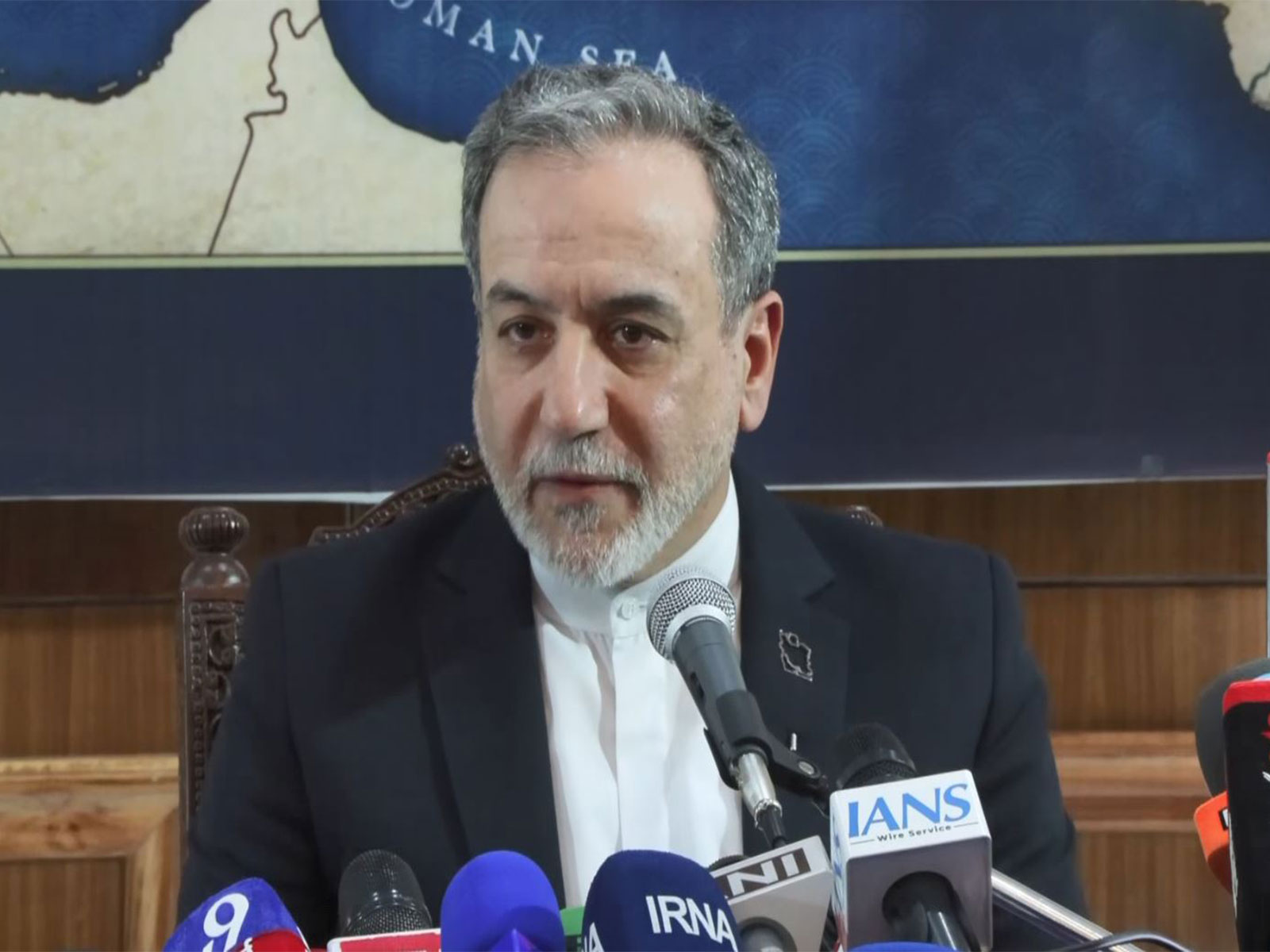
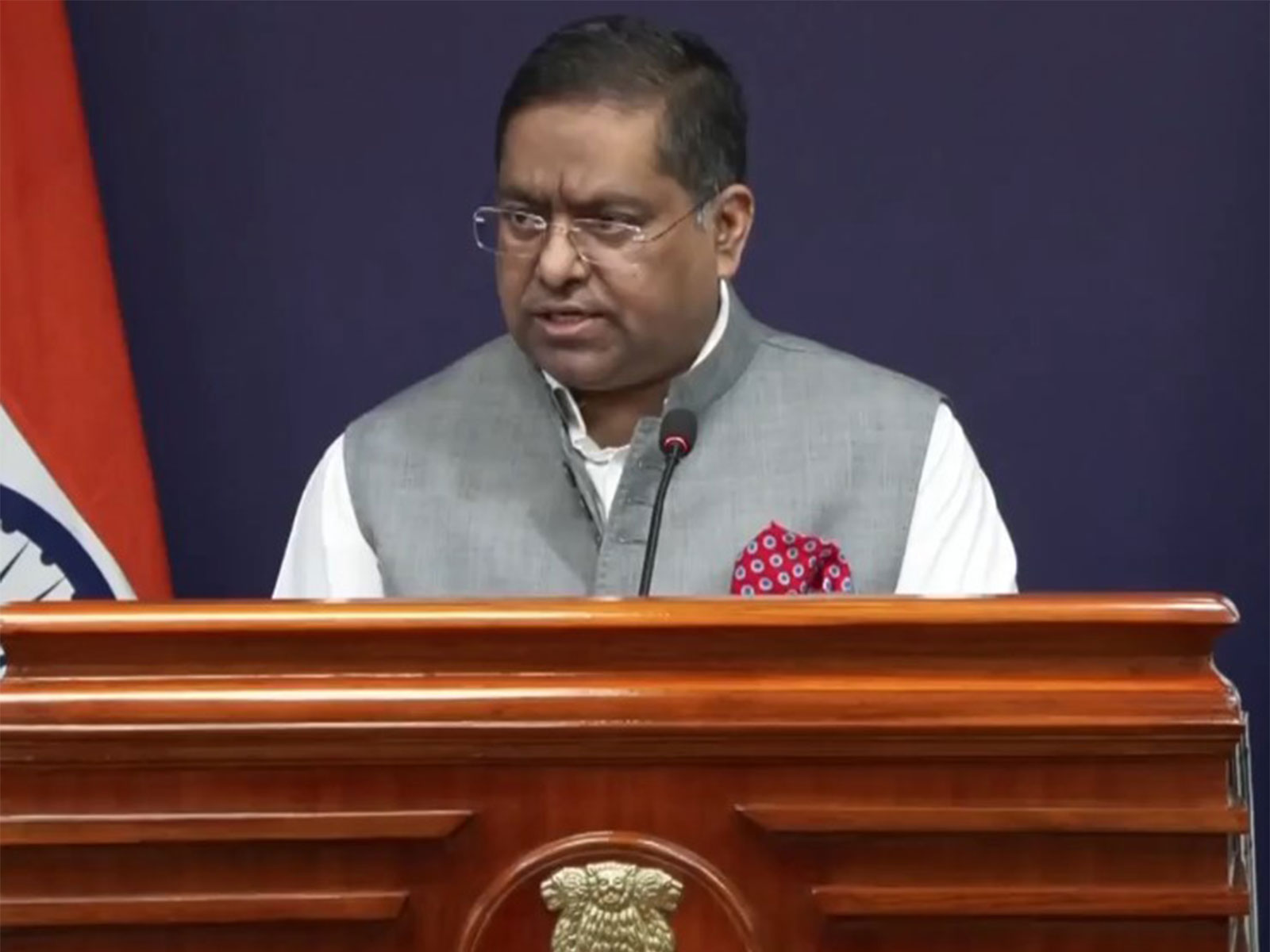
New Delhi [India], May 15 : Addressing the intensifying maritime crisis in West Asia, Iranian Foreign Minister Seyyed Abbas Araghchi on Friday clarified that the Strait of Hormuz remains accessible to global shipping, with the sole exception of vessels from nations "at war with" Tehran.
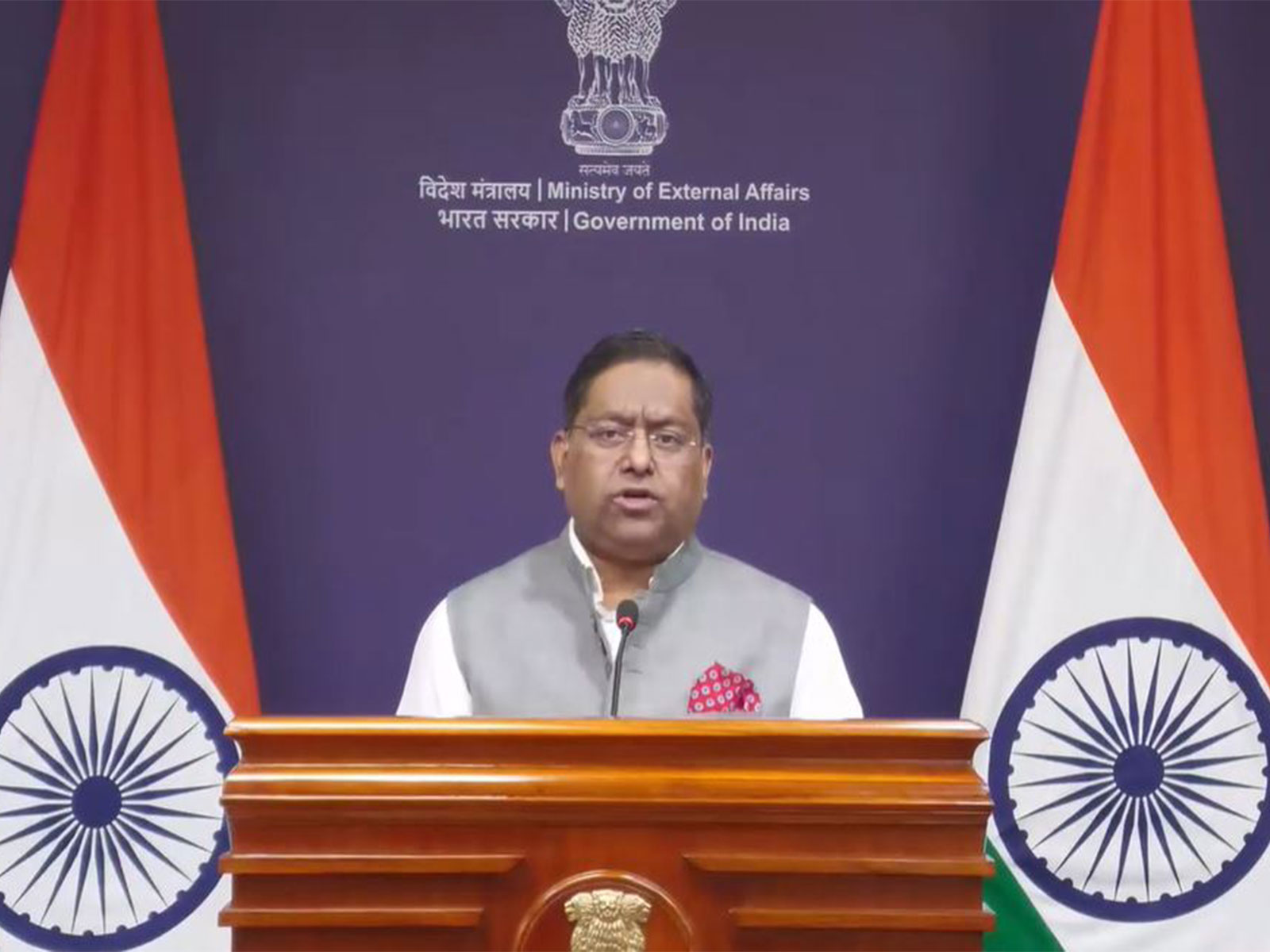
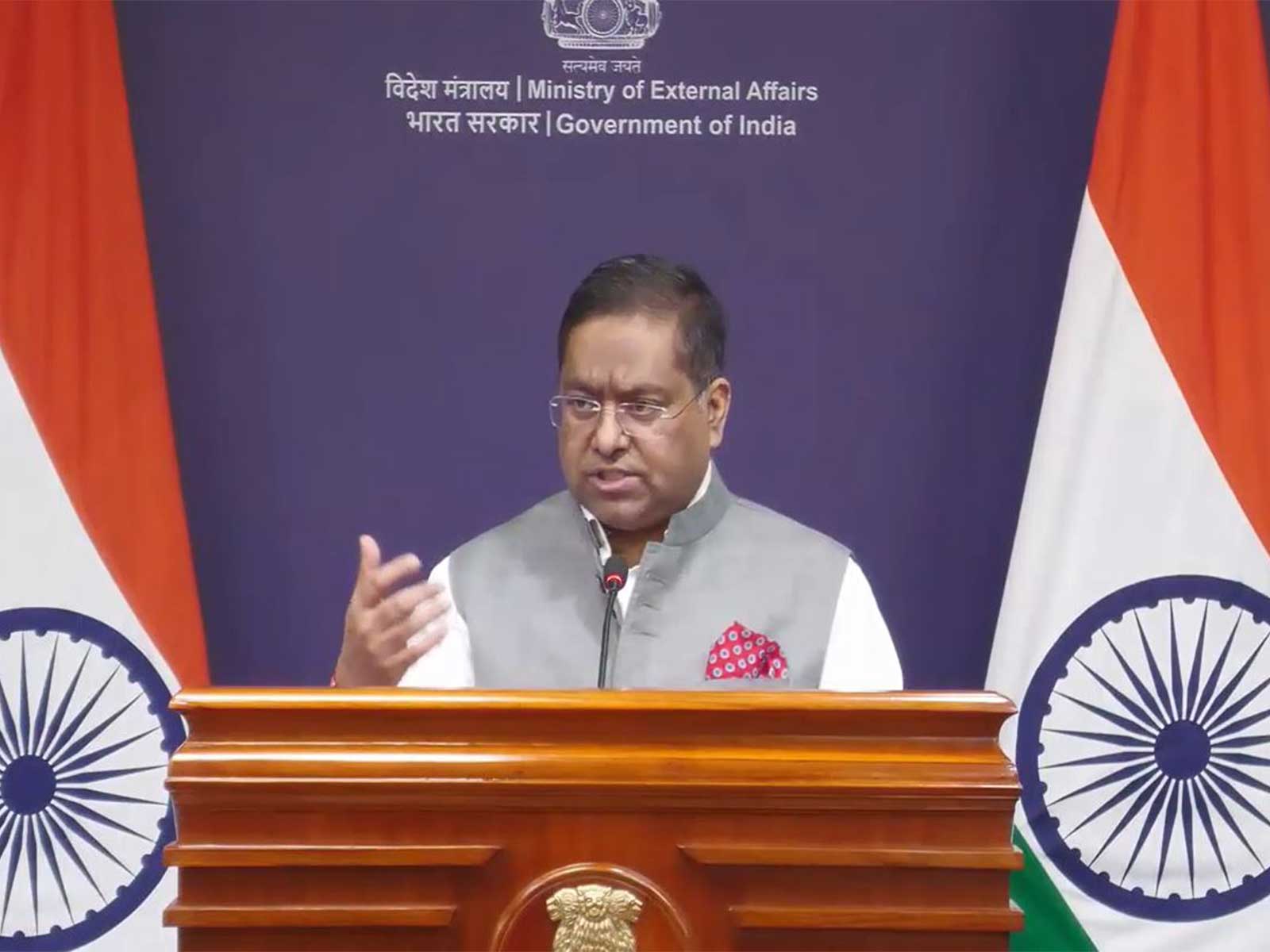
Addressing a press conference in the national capital, Araghchi acknowledged that the situation in the strategic corridor has become "very complicated," yet Iran has maintained a stance of conditional cooperation.
"As much as our concern, Hormuz is open to all except those vessels of those countries who are in war with us," the Iranian minister stated, while extending an olive branch to neutral trade by adding, "We are ready to help those who want to pass the Strait."
The Iranian Foreign Minister underscored that Tehran's objective is to preserve navigation, promising that "we will arrange safe passage of all vessels" once regional stability is restored.
He linked the return of maritime normalcy directly to the cessation of military friction, noting, "Once the aggression is ended, I am sure everything will go to normal."
In a significant geographical and legal assertion, Araghchi pointed out that the Hormuz Strait, a primary global oil chokepoint, is situated entirely between the territories of Iran and Oman, claiming that "there are no international waters" within the passage.
This high-stakes diplomatic messaging unfolded during Araghchi's visit to India for the 18th BRICS Foreign Ministers' Meeting.
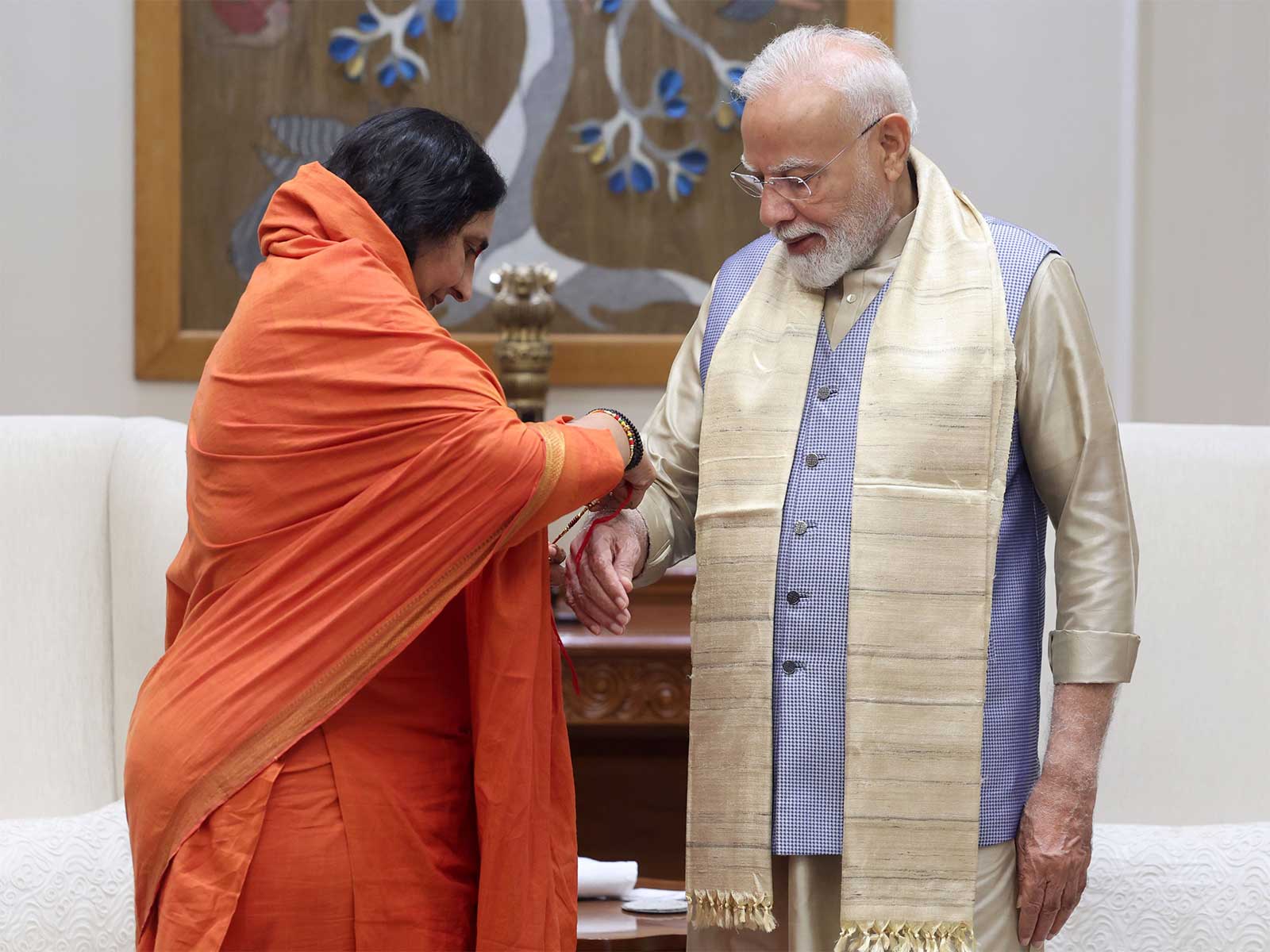
On Friday, he engaged in bilateral deliberations with External Affairs Minister S Jaishankar, focusing on regional security and mutual cooperation. This followed a high-level meeting with Prime Minister Narendra Modi yesterday aimed at bolstering multilateral stability during the ongoing West Asia volatility.
Araghchi revealed that the discussions with New Delhi reflected a deep strategic alignment, noting that both nations share "close positions," "same concerns," and "same interests."
He confirmed that Tehran would remain in close coordination with Indian counterparts to facilitate the transit of ships, expressing a shared hope that "things can go back to normal once aggression ends."
However, the Foreign Minister remained scathing in his assessment of Washington, asserting that Tehran has "no trust in Americans."
He accused the United States of pivoting to diplomacy only after its military efforts proved futile.
"After 40 days of war, when the US became hopeless of achieving any goal in their aggression against Iran, they offered negotiation," he remarked, adding, "We have every reason not to trust Americans, while they have no reason not to trust us."
As a vital artery for the world's energy supplies, any sustained disruption in the Strait of Hormuz poses an immediate threat to global trade.
Araghchi's remarks underscore the delicate balance of power in a waterway where regional conflict and international energy security are now inextricably linked.