India must build crude buffers and cut import dependence as EY flags rising petroleum vulnerability
Jun 28, 2026
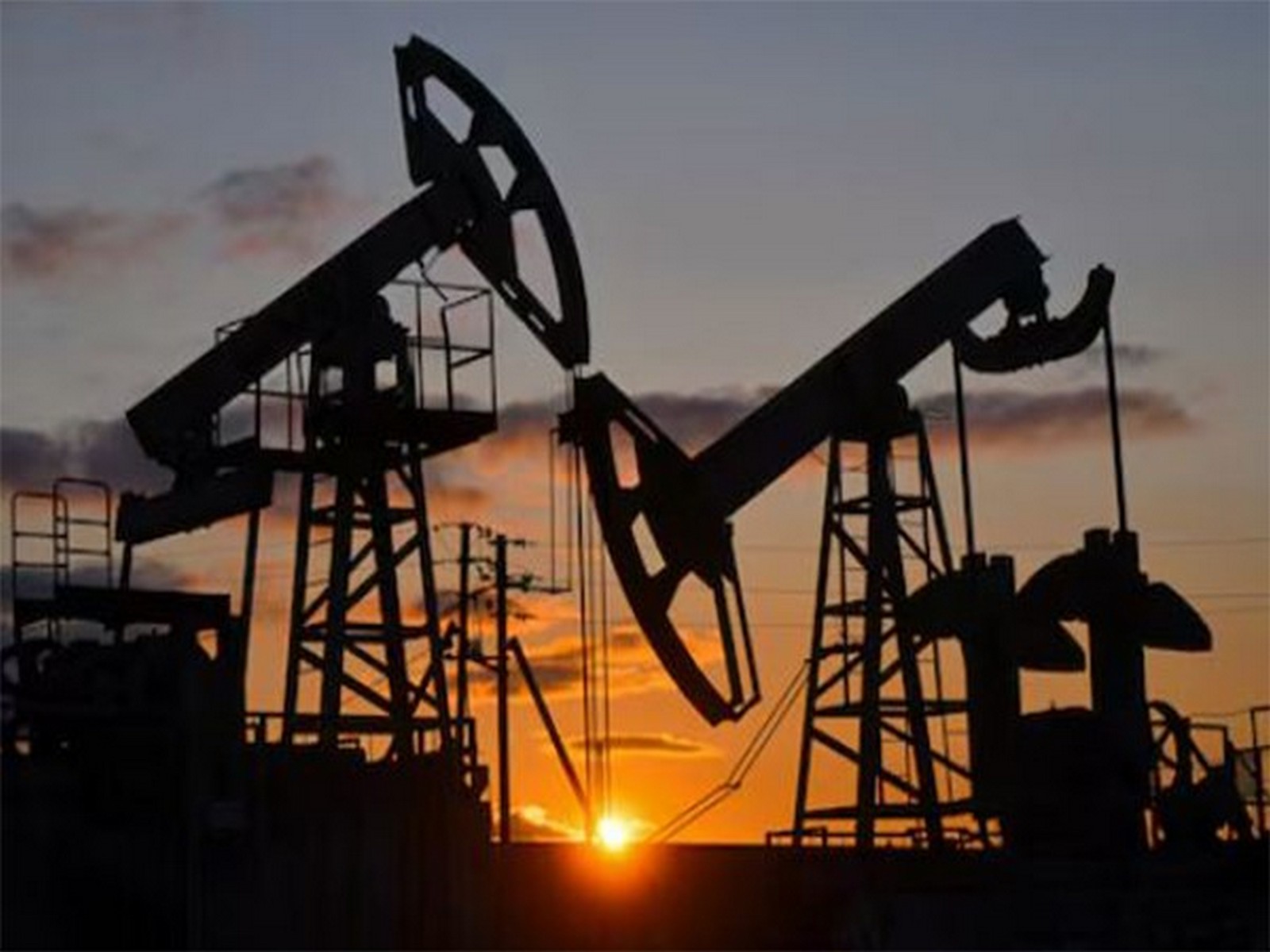
New Delhi [India], June 28 : India needs to "augment its strategic crude oil reserves to reduce its vulnerability to external shocks" and reverse the trend of growing dependence on imported crude, EY said in research report, warning that petroleum remains a key external risk for the domestic economy.
"Going forward, India may need to augment its strategic crude oil reserves... Further, India may develop a detailed strategy for maintaining crude oil reserves which spells out the volume of reserves, strategy of purchases and releases from such reserves taking into account the relevant carrying costs," the report stated. It added that the country should also "continue to augment its refining capacity" and "accelerate the shift towards greener options and other alternative sources of energy, including nuclear energy."
EY's analysis, titled India's petroleum economy: Coping with vulnerabilities, highlights two structural features. "First, its high dependence on imports of crude oil. The contribution of domestic production of crude oil has remained quite limited. Second, its domestic capacity to refine this imported crude oil and its ability to export these refined PoL products... The first dimension is a vulnerability, and the second dimension is strength," the report said.
The report noted that India's degree of dependence on imported crude "has increased in a secular way, rising from 55% in FY1999 to slightly above 90% in FY26." Domestic crude production, after peaking at 35.9 million metric tons in FY12, has eased to 26.0 million metric tons in FY26, while consumption of petroleum products surged from 90.6 MMT in FY1999 to 243.2 MMT in FY26.
On a positive note, EY said "the efficiency in producing petroleum products through India's domestic refining process has increased over time," with the efficiency parameter rising from "just above 0.95 in FY1998 to 1.27 in FY26," amounting to "about 33% improvement in petroleum refining efficiency." Energy intensity of GDP has also fallen, which "augurs well for sustaining an energy-efficient growth at a reasonably high level for a relatively longer period."
Yet forex pressures are mounting. The report shows a "widening gap between the value of imported crude vis-a-vis exported PoL products by India in US$ terms," driven by global prices and volumes. Growth in domestic consumption of PoL products was at a CAGR of 3.9% over FY06 to FY26, compared with 2.1% for exports.
EY flagged India's thin buffer stocks as a concern. "As per information available from the US EIA, India's strategic oil inventories at 21 million barrels are significantly lower than that of China at 1,397 million barrels," the report said, noting India's reserves "suffice only for about five days of consumption." It recommended that "as soon as the global crude situation begins to normalize, India may start investing in building up its crude oil reserves."
EY said the trend of dependence "needs to be reversed by emphasizing the exploitation of domestically available crude, while accelerating the shift towards greener options and other alternative sources of energy, including nuclear energy."