India takes steps strengthen energy database by plugging key data gaps
Jul 06, 2026
New Delhi [India], July 6 : India is set to build a more comprehensive national energy statistics database by plugging major data gaps in areas such as biofuels, electric vehicle (EV) electricity consumption, captive and off-grid power, and industry-wise energy use, according to the 'Report of the Expert Committee on Energy Statistics' released by the Ministry of Statistics and Programme Implementation (MoSPI).
The report said the existing energy statistics framework has several gaps that limit a complete assessment of India's energy landscape. It identified "non-capturing of end-use consumption of imported coal, the industry-wise consumption break-up of electricity, the demand-side statistics of the energy in India, the generation/consumption of electricity via off-grid (like in Rooftop Solar System, Street Lighting System etc.) mode, use of electricity in charging of Electric Vehicles (EVs), a systematic sub-national level energy statistics etc" as key shortcomings that prompted the formation of the expert committee.
To address these gaps, the committee recommended introducing new methodologies and harmonising energy data collected across ministries so that India's energy statistics become more comprehensive and internationally comparable.
On biofuels, the report recommended that "the entire data on biofuel ought to be captured systematically using the proposed methodology" and that while preparing the national energy profile, "MoSPI should include Biofuels in the Energy Balance / Energy Account tables of India."
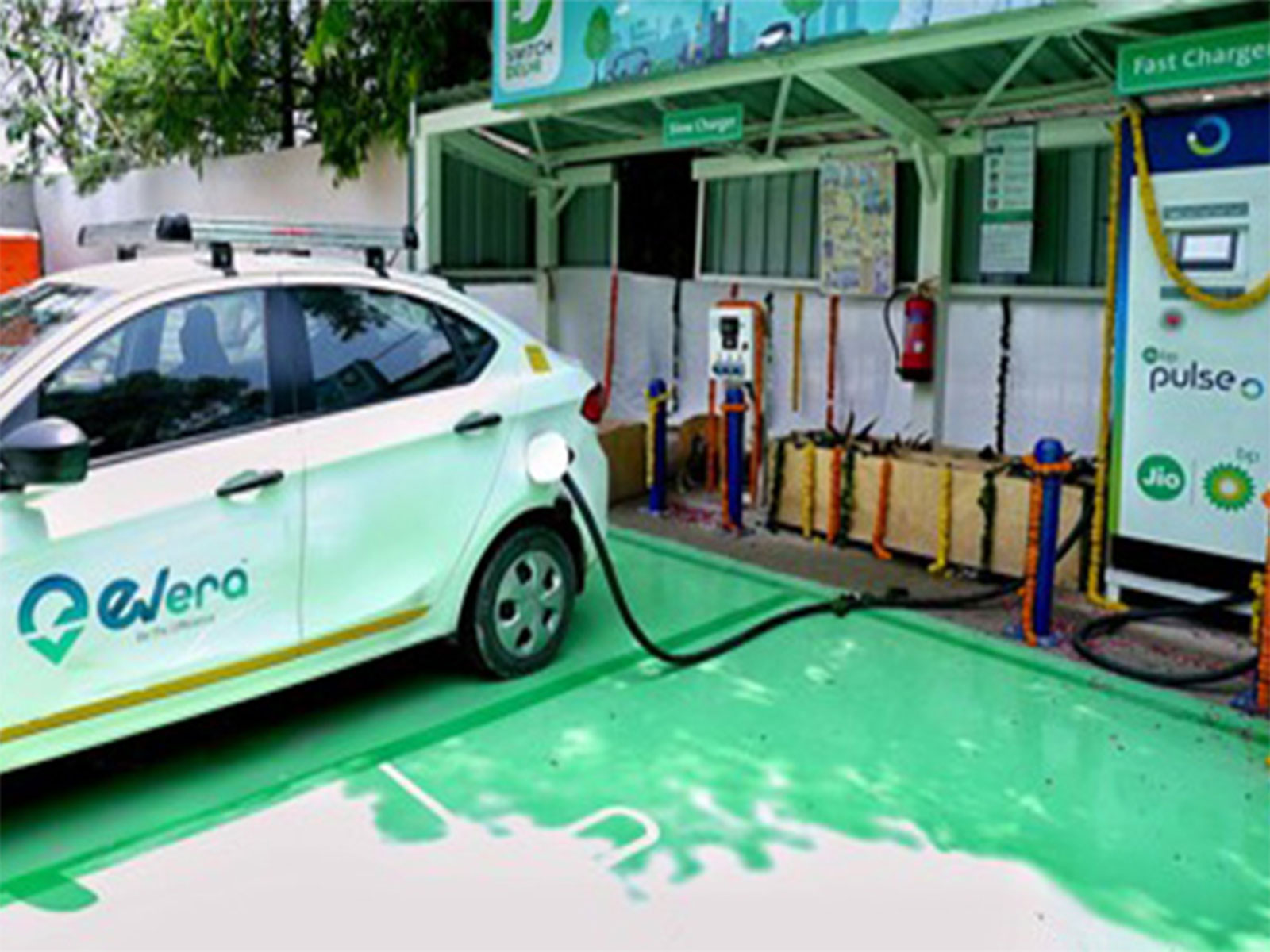
The committee also highlighted the need to systematically capture electricity demand for electric vehicles.
It said, "In line with the International commitments made by Govt. of India, the vision like EV30@30, it's indispensable to systematically estimate and disseminate the electricity consumption by EVs in India." It added that the proposed methodology should be refined further "for more accurate and structured statistics and effective policy intervention."
The report further recommended developing a framework to estimate off-grid electricity consumption. It said the methodology prepared by Prayas and TERI "may be used as the first-cut for better refinement and adaptation by the line energy-Ministries."
To improve understanding of energy demand, the committee said India also needs a structured demand-side energy database. It noted that "an energy database consisting of both demand side and supply side data is important to better understand the flow of different forms of energy and generate future trends on energy generation and consumption." The report observed that "at present, no dedicated survey or mechanism exists to track the specific demand for various energy resources like electricity, LPG, coal, etc. at the household or individual consumer level."
The committee recommended that the framework developed by the Bureau of Energy Efficiency (BEE) and the Alliance for an Energy Efficient Economy (AEEE) "may be developed and detailed for its' effective implementation." It also proposed a "Single Integrated Energy Statistics Database" jointly reconciled by MoSPI and BEE to improve data quality and support policymaking.
The report also proposed improving sector-wise tracking of coal and electricity consumption, including better estimation of imported coal use, industry-wise electricity consumption and captive power generation, while recommending common methodologies and reporting standards across energy ministries to strengthen India's national energy statistics system.