"Is This Really Made in India?" - The Rajkot Manufacturer Rewriting the Answer
Jun 29, 2026
PNN
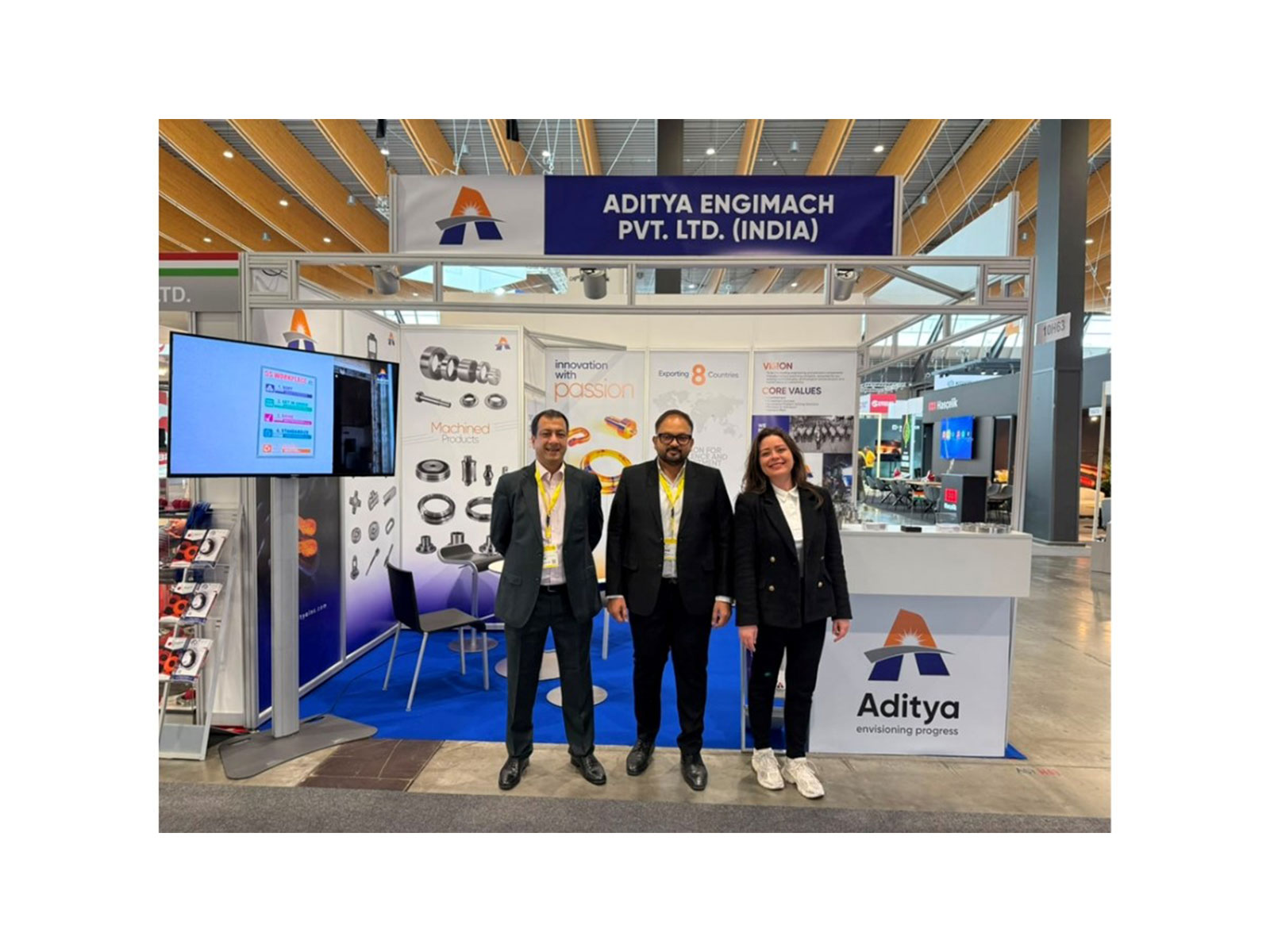
New Delhi [India], June 29: On the floor of CastForge in Stuttgart, the trade fair for castings, forgings, and machining that draws serious industrial buyers from across the globe, one question kept finding Maulik Shah. It was not about the price. It was about if the product is really made in India.
Shah, the founder and managing director of Aditya Engimach, a precision forging company headquartered in Rajkot, says he heard it more than 10 times across three days. And each time, he watched the buyer study the product, asking about materials, methods, and process. "What followed was respect for our craftsmen and workers back in Gujarat," he wrote afterward, in a LinkedIn post.
It is a small moment. But for Shah, it is the whole point of why he was there.
A mission bigger than one company
Aditya Engimach was not built on outside capital or inherited connections. Shah started it in 2010 from a single room and, over 16 years, grew it into a precision forging operation serving clients across multiple continents, supplying hot-forged, closed-die, and ring-rolled components for automotive, aerospace, energy, and heavy machinery. The company holds more than 15 certifications and approvals, among them AS9100, the aerospace and defence industry's internationally recognised quality standard.
But ask Shah what he was really doing in Stuttgart, and the answer reaches well past one company's order book. He was, in his own framing, 'taking on a prejudice.'
In a series of posts on LinkedIn over the last week, his posts have drawn a steadily growing audience across India's manufacturing community. Maulik laid out that mission with unusual bluntness. "For years, the world came to India for one thing, outsourced labour," he wrote ahead of the show. "This week, we went to the world to show them that we also engineer, build and innovate."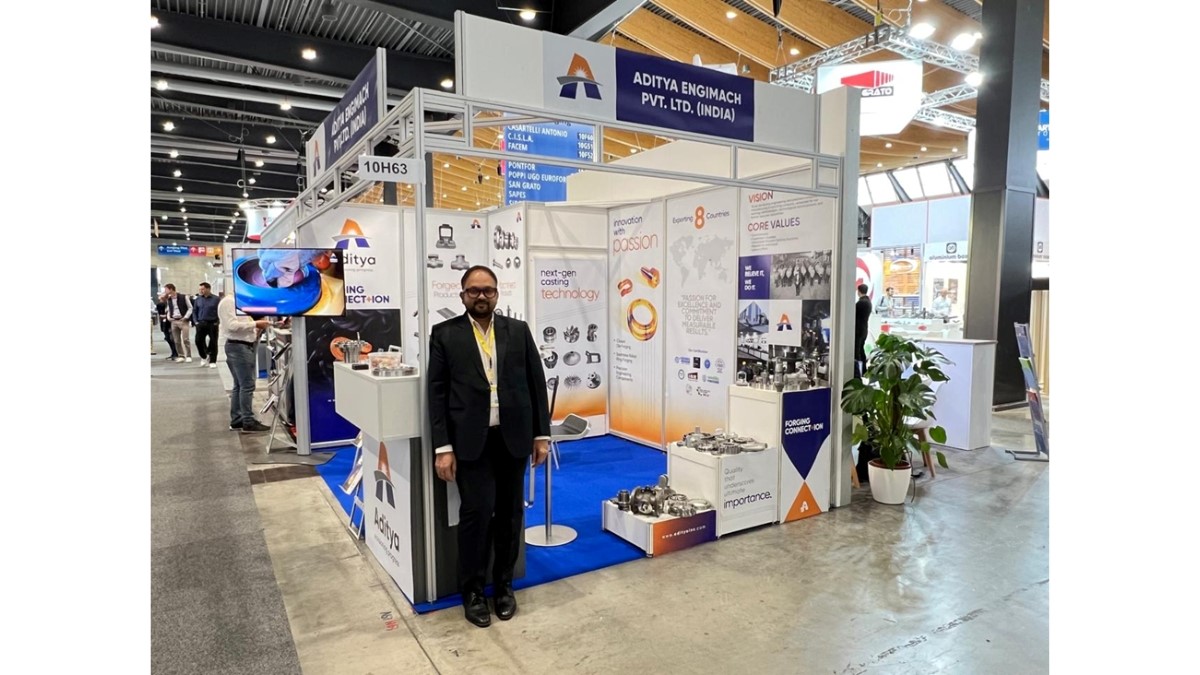
It is a direct challenge to one of the most stubborn assumptions in global manufacturing: that India competes on cost, not on quality. "The world still thinks India competes on price and labour," he wrote. "But by standing on the same floor, meeting the same standard, we are taking the small steps to change this prejudice."
The tier-2 story behind the founder
What makes Shah's story resonate beyond his own factory gates is where it comes from. Rajkot is not a metro. It sits in the Saurashtra region of Gujarat, at the heart of an industrial belt long known for casting, forging, and engineering, a cluster built overwhelmingly by small and medium enterprises rather than corporate giants.
For decades, that work happened quietly, supplying domestic industry with little recognition and even less visibility on the world stage.
That is beginning to change. Improved connectivity, a maturing export ambition, and platforms that put founders in front of global buyers have brought tier-2 manufacturers closer to international markets than ever before. Increasingly, SMEs from towns like Rajkot and across Gujarat and other Indian states are turning up at exhibitions and chasing export opportunities that were once the preserve of large players in the big cities.
Many small setup SME players are now looking for a broader perspective and a real shot at export. The bottleneck, in Maulik's view, is not talent or machinery. It is trust. The lacking part, he argues, is sustainability, system reliability and documentation.
The substance behind the claim
"We as Indians proudly celebrate jugaad," he wrote in one recent post, "and in doing so, we've convinced the world and ourselves that this is the best we can do." But the global market, he warns, rewards the opposite instinct. "The world does not pay for your clever fix in a crisis. It pays to never have the crisis in the first place," he wrote.
On a shop floor, ordinary discipline is what creates extraordinary trust. His conclusion is almost a manifesto for the kind of manufacturer he wants Indian industry to become.
The bigger picture
The timing of Shah's message is not incidental. As global manufacturers work to diversify their supply chains beyond a single-country dependence, the China-plus-one shift, India has positioned itself as a leading alternative in the forging industry.
Aditya Engimach was one of only a handful of Indian forging manufacturers on the CastForge floor.
The mission he has taken on is a long one, and the global bias that India can only be cheap won't be broken by how smart we are, but by our reliability on our quality that never fails.
(ADVERTORIAL DISCLAIMER: The above press release has been provided by PNN. ANI will not be responsible in any way for the content of the same.)