Kohli credits Dravid, Rathour for helping him rediscover joy in cricket after leadership burden
May 21, 2026
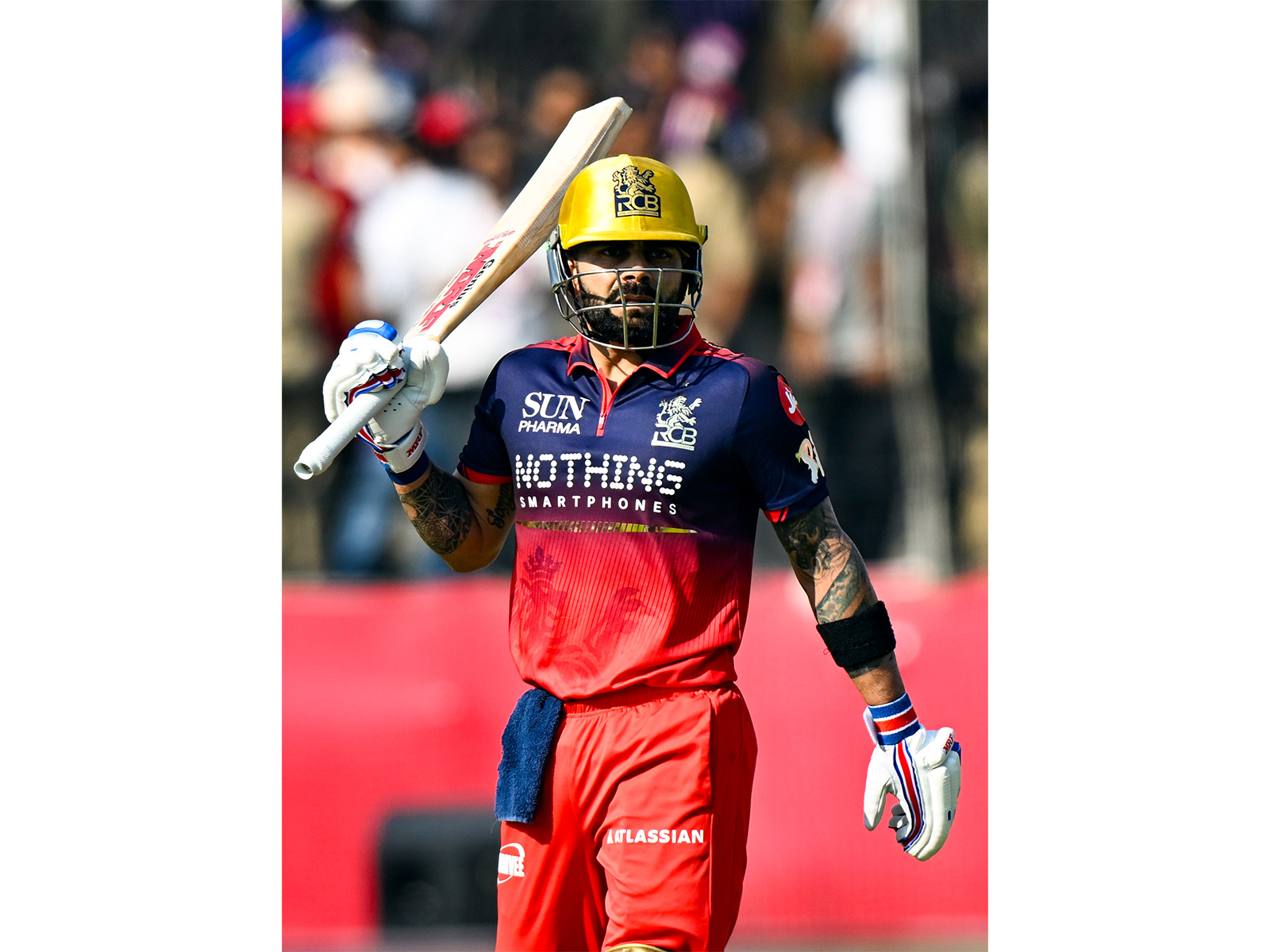
Bengaluru (Karnataka) [India], May 21 : Former India captain Virat Kohli has opened up on the mental toll of leadership, revealing how former India head coach Rahul Dravid and batting coach Vikram Rathour helped him regain his love for the game during a difficult phase in his career.
Speaking on the RCB Podcast, Kohli reflected on nearly a decade of carrying the pressures of captaincy across formats and said leadership in cricket is more about managing people than tactics.
"In the cricket world, it's very difficult for people to understand. The reason why you're given a leadership role is because people believe that you can take a lot more and you manage," Kohli said.
Ace Indian batter explained that while captaining India and Royal Challengers Bengaluru (RCB), he rarely thought about his own emotional well-being because his focus remained on the team.
"You don't even think about whether someone's going to ask you, 'Are you okay?' That thought doesn't even cross your mind," he said.
Kohli said it was only after stepping down from captaincy that he began opening up more about his struggles. He singled out Dravid and Rathour for playing a key role in helping him mentally during a phase where he was trying to rediscover himself as a cricketer.
"Whenever I see them, whenever I meet them, I always thank them from the bottom of my heart because they really took care of me in a way that made me feel like I want to play for them," Kohli said.
"They were so caring and nurturing. They made me realise what I have done so far. They understood what I was feeling, and they could relate to it. They really took care of me mentally, so that really put me in a space where I could enjoy my cricket again."
Kohli also spoke candidly about the insecurities elite athletes face despite years of success, admitting that even now he feels pressure to maintain his standards.
"You always feel like you're never good enough," he said, describing the constant self-doubt athletes battle with despite their achievements.
The former India skipper also revisited the toughest phase of his career -- the disastrous 2014 Test tour of England, where he managed just 134 runs in 10 innings at an average of 13.40 against James Anderson and the swinging Dukes ball.
Calling it the "toughest cricketing phase" he had encountered, Kohli revealed he would wake up during the series convinced he was going to fail.
"Throughout that Test series, I would wake up in the morning, and I just knew I was going to fail," he said.
"I was trying to be confident every day, but I could not even stop myself from playing. I knew I was going to play and I knew I was going to fail."
Kohli said the mental scars of that tour carried into the subsequent ODI series as well. He recalled a defining moment when he decided to free himself mentally by attacking every ball.
"I promised myself one thing -- I'm going to try to hit every ball out of this ground," he said.
Although he was dismissed for a duck attempting an aggressive stroke, Kohli described that moment as the turning point in rebuilding his confidence.
"While I was walking out, I felt so good because I was so desperate to take that chance. Although it was still a failure, mentally something had switched," he said.
Kohli later transformed his red-ball record in England, scoring heavily on subsequent tours, including a memorable 593-run series in 2018, widely regarded as one of the finest comebacks by an overseas batter in modern Test cricket.
The 37-year-old also stressed the importance of hunger and long-term commitment for young cricketers aspiring to succeed across all three formats in an era dominated by franchise cricket.
"You can say, 'I want to play for 15-20 years. I want the respect of the cricketing world and my heroes.' That's a very different zone," Kohli said.
He further underlined the importance of fitness culture in Indian sport, remarking that Indian cricketers still lag behind hockey players in physical conditioning despite cricket's massive popularity in the country.