Major export categories exempt from US tariffs, frontloading may cushion impact on India: Reports
Nov 26, 2026
New Delhi [India], November 26 : The impact of the proposed US tariffs on Indian exports could be lower than the headline rate of 25 per cent suggests, as key categories such as electronics, pharmaceuticals and energy products remain outside the proposed measures, while exporters may bring forward shipments ahead of implementation, according to reports by Jefferies and Emkay Research.
"The effective hit should be smaller than the headline rate," Emkay Research said, pointing to exemptions for major export categories and the possibility of exporters increasing shipments before the proposed duties take effect.
The report said the tariffs were not expected to be implemented before January 2027 at the earliest. India's exports to the US were already averaging USD 8.4 billion per month in FY27 so far, with growth in recent months exceeding 30 per cent year-on-year.
Emkay noted that exporters had followed a similar strategy during the previous tariff disruption. Between September 2025 and March 2026, India's exports to the US declined 10 per cent, while shipments to the rest of the world increased 3 per cent, indicating that geographical diversification had helped cushion the impact.
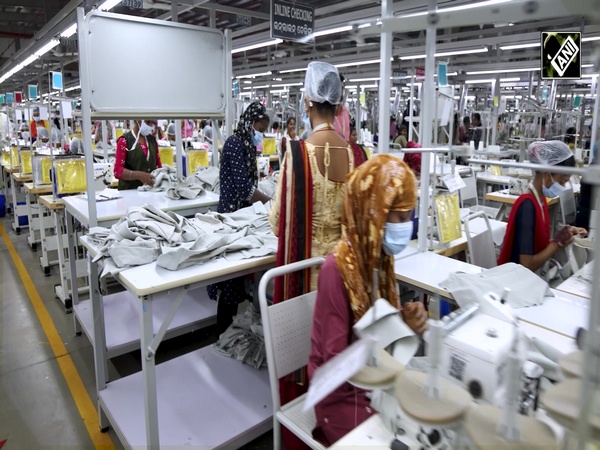
However, the report cautioned that textiles, gems and jewellery, and marine products could see slower growth under the proposed tariff structure. Electronics, pharmaceuticals and energy products are expected to continue supporting exports as these categories remain exempt.
Jefferies said pharmaceuticals, energy products and several electronics and auto component categories, together accounting for around 45 per cent of India's USD 104 billion annual exports to the US, remain outside the current tariff framework or are covered by separate sector-specific investigations.
The US Trade Representative (USTR) on Wednesday proposed tariffs of up to 25 per cent on Indian goods under its Section 301 investigation into structural excess manufacturing capacity. It indicated that the rate could be reduced to 17 per cent if India reaches an Agreement on Reciprocal Trade with Washington addressing the findings of the investigation.
The proposal covers 14 economies and places India at a relative disadvantage against several Asian competitors. Bangladesh, Indonesia, Malaysia and Thailand face proposed rates of 18 per cent each, while Japan, South Korea and Taiwan face 15 per cent.
Emkay said growing opposition to tariffs in the US and public hearings scheduled for January 2027 could lead to some moderation in the proposed measures.
The USTR has invited written submissions and requests to appear at the hearings by January 5, 2027, with hearings scheduled to begin on January 25.
Both reports highlighted the importance of the India-US bilateral trade agreement in determining the eventual tariff treatment of Indian exports.