Pakistan: Hyderabad's deepening water crisis exposes administrative failure
Jun 22, 2026
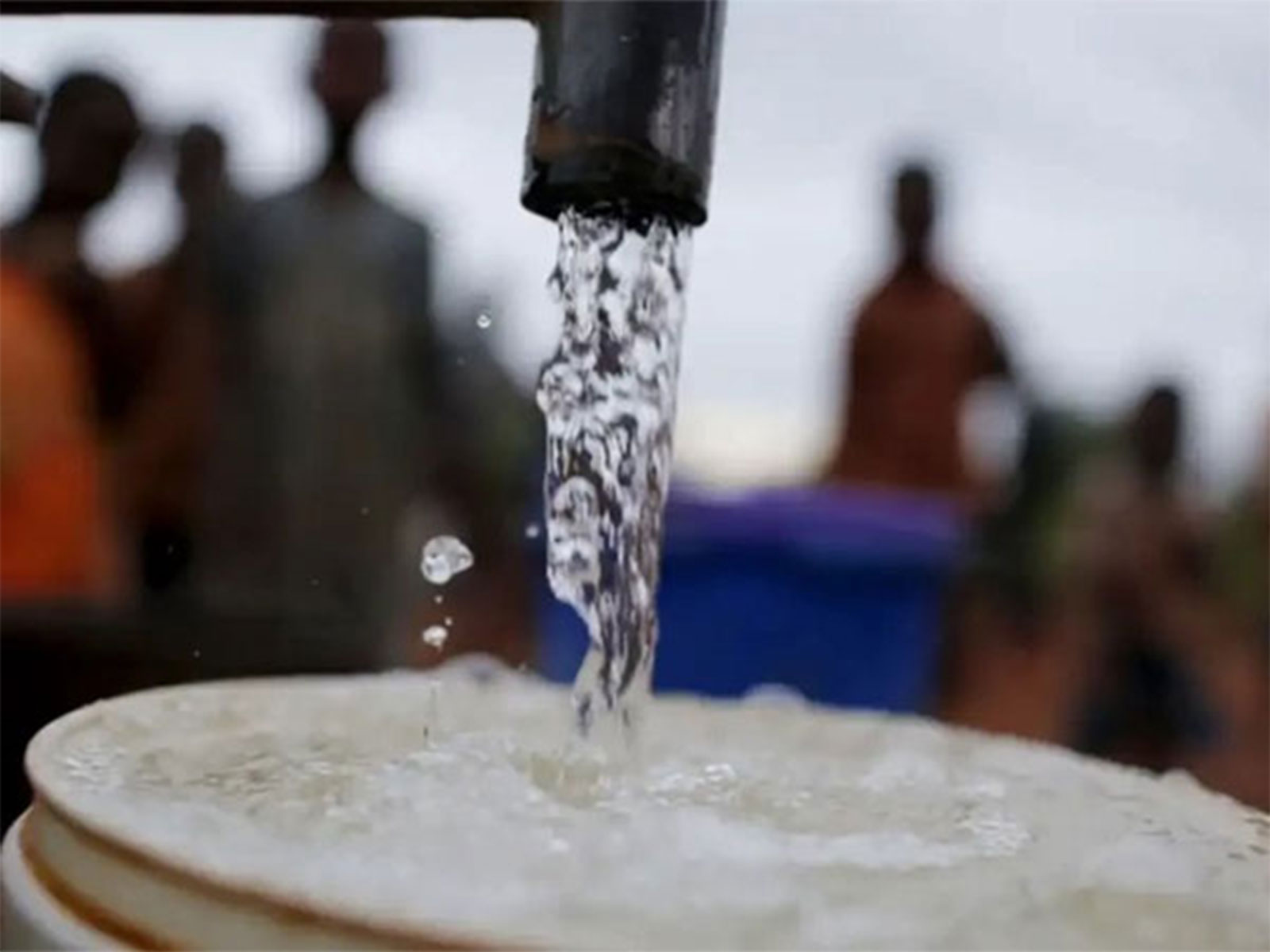
Sindh [Pakistan], June 22 : Thousands of residents across Hyderabad are grappling with an escalating water crisis that has disrupted daily life and industrial activity. Prolonged water shortages in several parts of the city have left families struggling to secure basic supplies during a period marked by religious gatherings, as reported by The Express Tribune.
According to The Express Tribune, residents from numerous localities, including Phuleli, Pretabad, Liaquat Colony and several areas of Latifabad, have reported that water either remains unavailable for days or is supplied only briefly. Many households and organisers of Muharram events have been forced to purchase water from private filtration plants to meet essential needs. Public criticism of the Hyderabad Water and Sewerage Corporation (HWSC) has intensified, with residents accusing the agency of failing to respond effectively despite increased demand during Muharram.
Citizens have complained that while officials remain active on social media and public outreach platforms, little practical relief has reached affected neighbourhoods. Reports of unattended pipeline leakages and delayed repair work have further deepened public frustration. The situation has also sparked allegations of administrative negligence. Residents in the Heerabad Jail Road area claim that unauthorised water connections are being installed, while roads are repeatedly excavated during nighttime operations.
These concerns have fuelled growing anger among citizens already coping with severe shortages. Despite repeated complaints, they say authorities have failed to take meaningful action. Beyond residential areas, the crisis is now affecting Hyderabad's industrial sector, as cited by The Express Tribune.
The chairman of the Hyderabad Site Association of Trade and Industry (HSATI), Zubair Ghanghra, stated that inadequate water supply is disrupting industrial production and placing thousands of jobs at risk. Industries such as textiles, food processing, packaging, edible oil, rice, and chemicals are increasingly relying on costly private tanker services to continue operations, as reported by The Express Tribune.