Pakistan's burial crisis: Inflation turns final rites into a luxury for poor
May 13, 2026
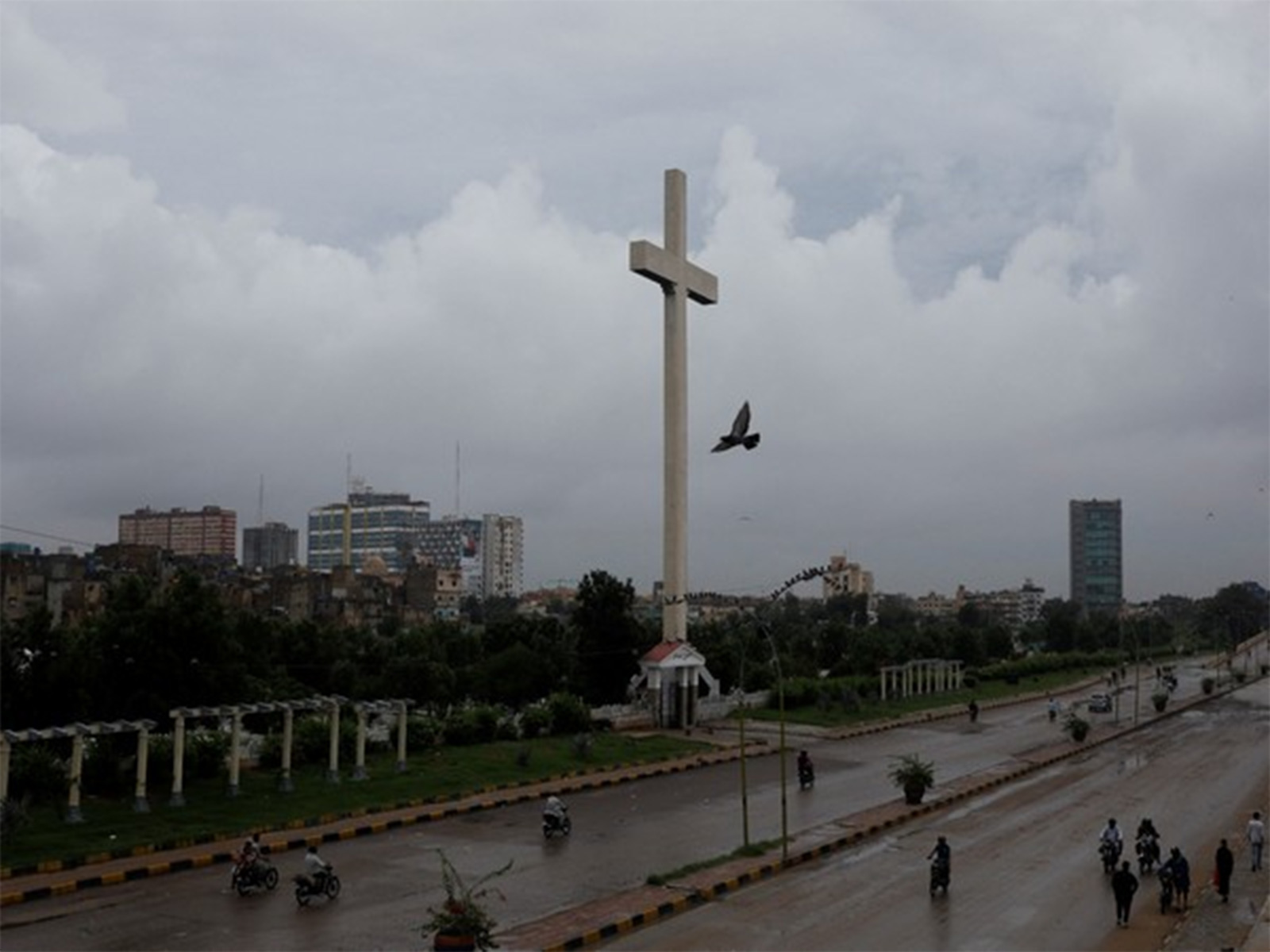
Rawalpindi [Pakistan], May 13 : Soaring inflation in Pakistan has pushed funeral and burial expenses beyond the reach of many families in Rawalpindi, exposing a deepening humanitarian crisis where even burying loved ones has become financially overwhelming. Low-income households are increasingly falling into debt simply to perform basic funeral rites, as reported by The Express Tribune.
According to The Express Tribune, for decades, local communities in Rawalpindi upheld a tradition in which volunteers dug graves free of charge as an act of charity and religious service. However, this long-standing social practice has nearly disappeared, replaced by commercialised burial arrangements and strict cemetery regulations.
The city's graveyards are also running out of space. Several major cemeteries have reportedly installed notices announcing that no burial plots remain available. Families now face steep costs for securing grave space, grave excavation, and brick preparation, with total expenses ranging from Pakistani Rs 40,000 to Rs 45,000. In addition, ritual washing services for the deceased now require separate payments.
The inflationary burden extends to funeral essentials as well. Burial shrouds that once cost modest amounts are now being sold for Pakistani Rs3,000 to Rs4,000, while items such as rose water, incense, camphor and flower petals add another Pakistani Rs 2,000 or more to funeral expenses. Poorer families are often forced to purchase low-quality burial clothes due to rising prices. The Citizens Action Committee has criticised the worsening situation, urging Pakistanis to redirect extravagant spending on weddings and celebrations toward helping grieving families struggling with burial costs, as cited by The Express Tribune.
Permanent graves have also become increasingly expensive. Simple brick-and-cement structures now cost nearly Pakistani Rs 15,000, while marble graves can exceed Pakistani Rs 30,000 depending on design and material quality. Reports further alleged that some cemetery workers remove old graves or reuse abandoned burial sites in exchange for payments, raising ethical concerns over graveyard management in the city, as reported by The Express Tribune.