Renewable firms can boost profits from existing assets through AI-led maintenance: McKinsey
May 27, 2026
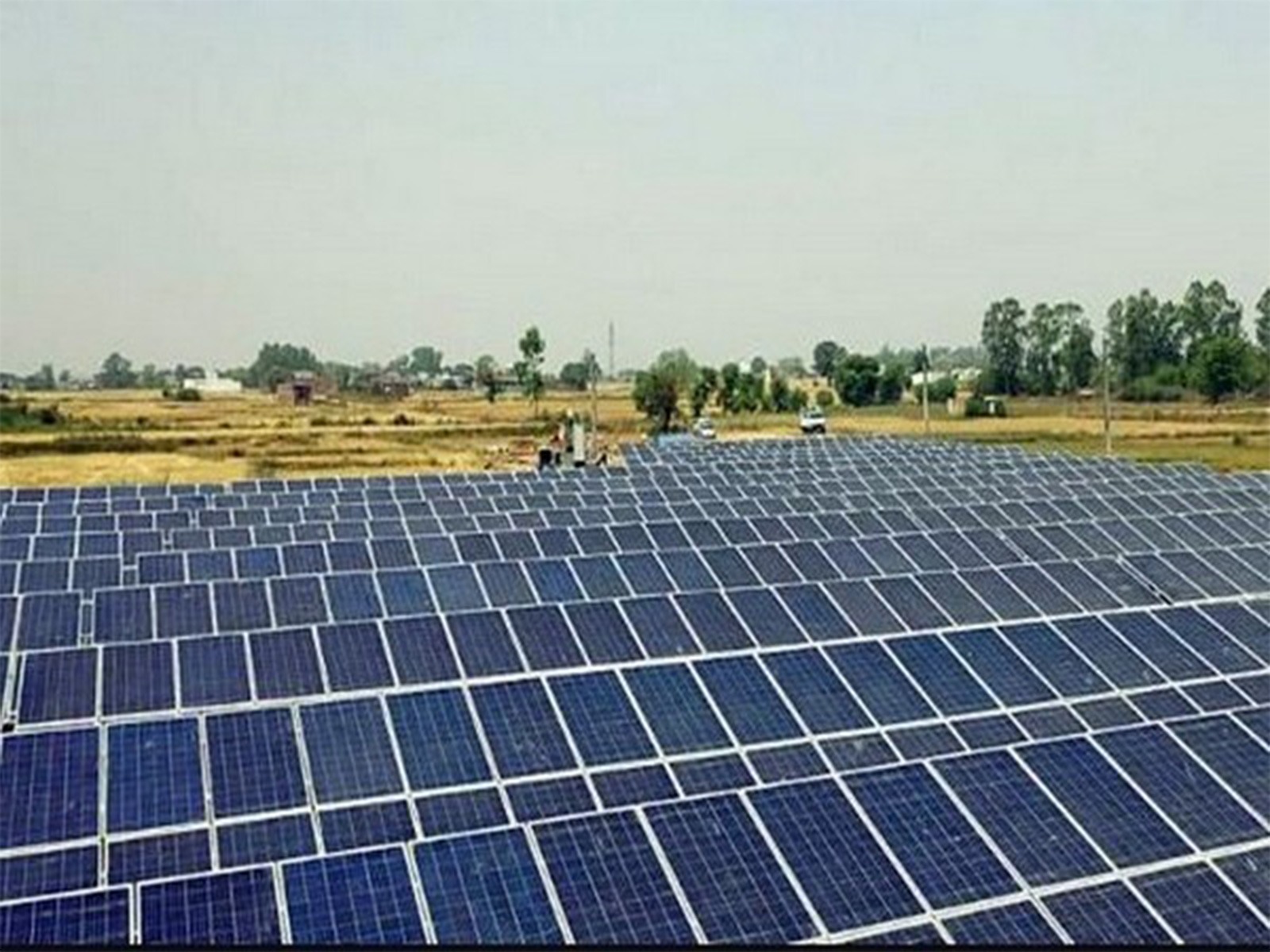
New Delhi [India], May 27 : Renewable energy companies can significantly improve profits from existing wind and solar projects through better maintenance practices and AI-driven operations, instead of relying only on building new capacity, suggests a recent McKinsey report.
The report, titled "Renewables O&M reimagined: Boosting performance with AI and conventional levers", said renewable energy operators are increasingly facing pressure on profitability amid high interest rates, inflation, falling power prices and supply chain disruptions, making efficient operations and maintenance (O&M) a critical growth lever for the sector.
"Scale alone does not necessarily guarantee profitability," the report said, adding that "optimized maintenance strategies, smarter supplier contracting, and performance-enhancing technologies such as AI can meaningfully increase energy yields while reducing cost."
According to the report, operators that actively optimize O&M could realize value of "more than EUR 9 million per GW annually for onshore wind and approximately EUR 3.4 million per GW annually for solar PV."
McKinsey noted that many renewable companies have traditionally focused on lowering the cost of building new projects, while paying less attention to improving the performance and profitability of existing assets.
The report highlighted that the performance gap between top-performing and average renewable portfolios remains significant.
"The 2025 benchmarking results reveal a 12 to 15 per cent performance gap between median and top-performing portfolios," the report stated.
It added that "top-quartile portfolios for onshore wind outperform the median by 15 per cent," while lower-performing portfolios lag substantially behind due to operational inefficiencies.
According to McKinsey, a large part of the losses in renewable projects comes not from major equipment failures, but from everyday operational inefficiencies such as delayed maintenance, poor planning, resource shortages and inefficient contractor management.
The report said companies with top-performing renewable portfolios consistently focus on "operational excellence through technology" and use "technology-enabled processes to maximize availability and yield while minimizing costs."
The consultancy highlighted that AI is emerging as a key tool in improving renewable asset performance.
McKinsey explained that AI systems can help operators predict failures before breakdowns happen by analysing operational data, maintenance history and equipment performance patterns.
The report also noted that digital tools can improve planning and scheduling.
"Digitally supported planning tools can improve weekly and daily scheduling by optimizing crew routes, task bundling, and timing around constraints," the report said.
On maintenance execution, the report stated that "gen AI maintenance expert can act as a copilot with the technicians" by helping workers identify faults, troubleshoot recurring issues and prepare work orders more efficiently.
The report further highlighted that spare parts management remains one of the biggest cost challenges in renewable operations, especially when supply chains are disrupted.
"Inventory analytics... can optimize reorder points, safety stocks, and stocking locations," the report said, adding that such systems can reduce both downtime and excess inventory costs.
McKinsey also pointed to contractor management as a major area for improvement in the renewable sector, particularly because many operators outsource maintenance work.
"Gen AI can support contract analytics and high-volume invoice reconciliation, helping operators detect noncompliance and reduce value leakage," the report said.
The report cited a case study where a wind farm operator reviewed existing contracts and retendered maintenance agreements for three wind farms, resulting in a 29 per cent reduction in total O&M contract spending.
McKinsey said renewable companies now need to shift focus from simply expanding capacity to improving profitability from existing assets.