Restructuring LPG Infrastructure: Strategy behind India's uninterrupted kitchen fuel during West Asia crisis
Jul 01, 2026
By Sandip Kumar Singh
New Delhi [India], July 1 : With nearly 60 per cent of India's LPG supply historically routing through the sensitive Strait of Hormuz, the maritime shipping crisis posed a direct and severe threat to domestic cooking fuel. Nevertheless, India successfully kept cooking gas flowing into millions of homes by executing a comprehensive overhaul of its supply and demand architecture at the height of the conflict.
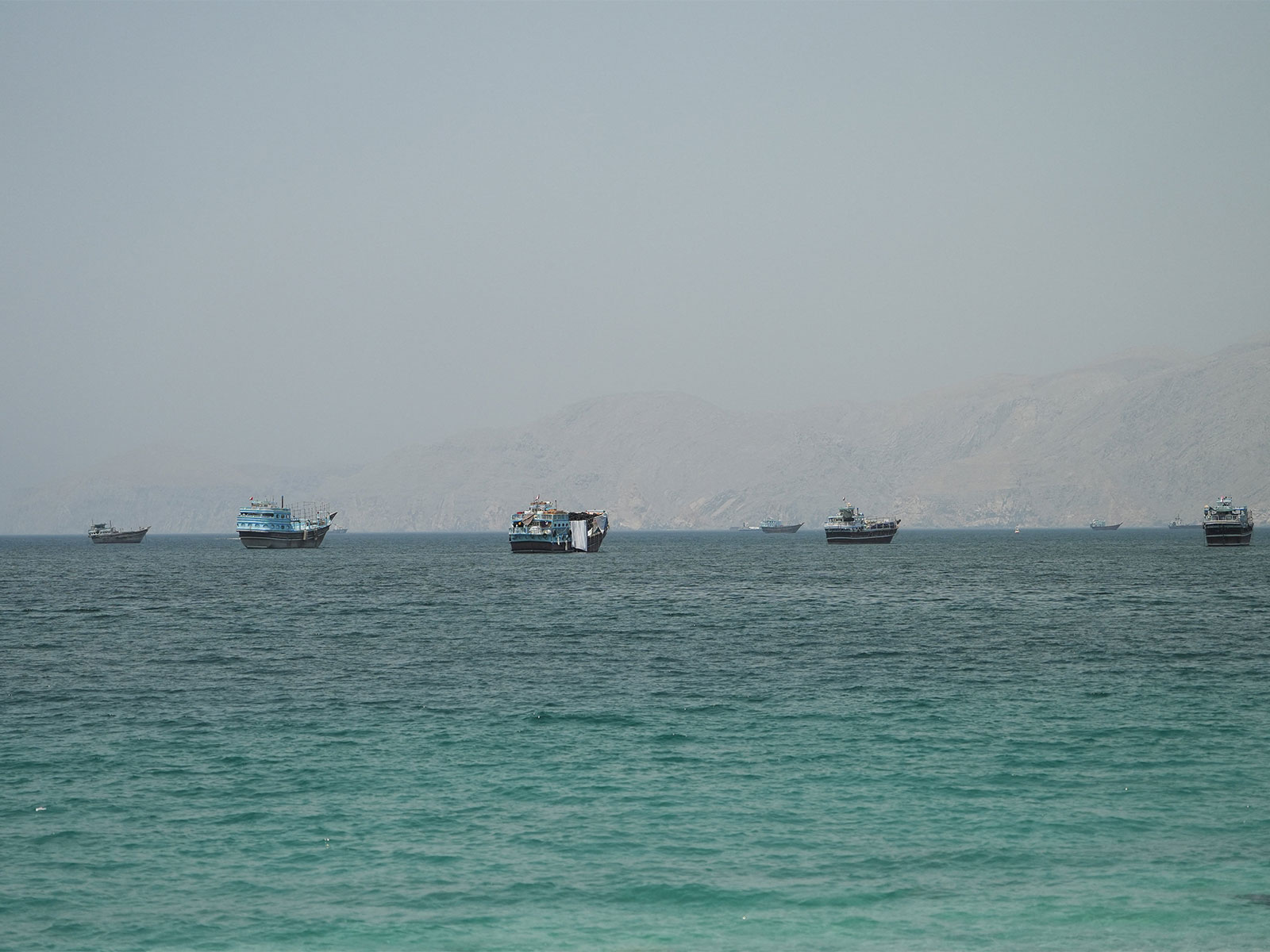
Tehran had closed the Strait of Hormuz, the chokepoint for the global energy markets through which close to a fifth of the world's oil moves, after the US and Israel's strikes on Iran on February 28.
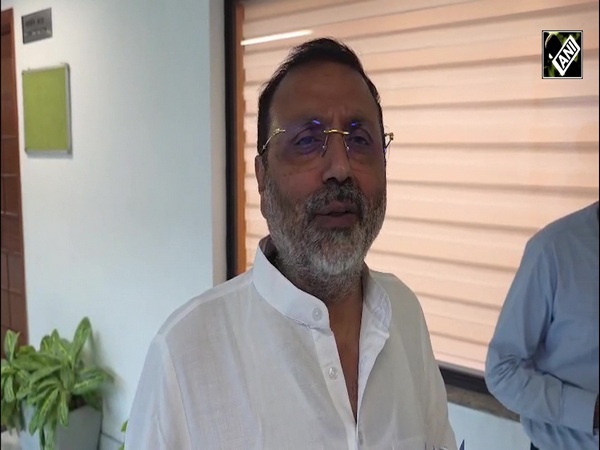
Former BPCL Director (Marketing) Sukhmal Jain told ANI that the government's core directive was straightforward and unyielding. "The first decision the government took was that we will prioritize household cooking LPG above everything else," Jain stated
To manage the constrained supply on the demand side, strict regulations were placed on commercial distribution. "Commercial LPG--used in restaurants and industries--was curtailed to a large extent. If we hadn't restricted this, it could have led to misuse and black-marketing," Jain noted, confirming that overall commercial usage dropped significantly from 90,000 tons to 75,000 tons per day.
Simultaneously, major digital interventions ensured that domestic cylinders reached actual households rather than the black market. "We implemented a digital authentication code system for deliveries. Across all three companies, 95 to 98 per cent of supplies were routed through this digital code, sending a clear message that only genuine customers were getting the refills," Jain emphasized.
On the supply front, domestic refineries shifted their operational priorities entirely to LPG manufacturing to compensate for the import shortfall.
"By restricting certain components from going into other value-added products, we boosted LPG production dramatically. Our LPG production became almost one and a half times its normal rate, increasing by roughly 55 per cent. Production jumped from 33,000-34,000 tons per day to an impressive 54,000 tons per day," Jain revealed.
Additionally, alternative sourcing contracts were fast-tracked. "We secured LPG cargoes from the US, Argentina, and other non-Middle Eastern nations to stabilize our reserves," he added.
On the supply front, domestic refineries shifted their operational priorities entirely to LPG manufacturing to compensate for the import shortfall. "By restricting certain components from going into other value-added products, we boosted LPG production dramatically. Our LPG production became almost one and a half times its normal rate, increasing by roughly 55 per cent. Production jumped from 33,000-34,000 tons per day to an impressive 54,000 tons per day," Jain revealed.
Additionally, alternative sourcing contracts were fast-tracked. "We secured LPG cargoes from the US, Argentina, and other non-Middle Eastern nations to stabilize our reserves," he added.