Russia showcases water-saving polymers and drought-resistant farm tech at COP31
Nov 20, 2026

Antalya [Turkiye], November 20 : Russia has presented a suite of climate adaptation solutions for agriculture at COP31, showcasing polymer technologies, drought-resistant fertilisers, and radiation-based food preservation methods as the annual UN climate conference concludes in Türkiye this week.
Operating out of the Russian pavilion in Antalya, major industrial and state-backed players focused on practical interventions designed to conserve water, protect crops from extreme weather, and curb post-harvest losses without expanding farmland.
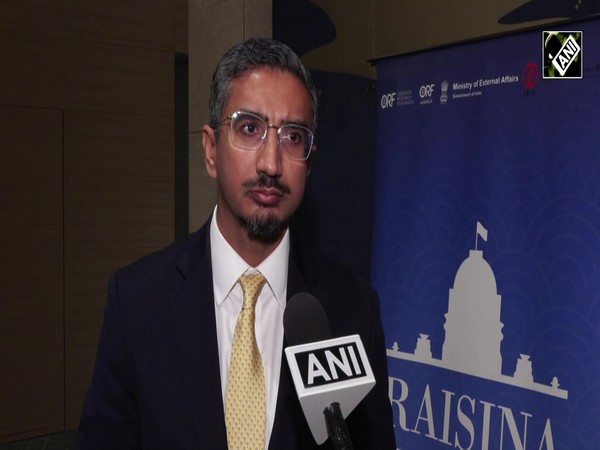
Leading the industrial showcase, Russian polymer producer SIBUR outlined field-tested materials engineered to help growers weather worsening heat and water scarcity. Speaking at the pavilion, SIBUR Senior Sustainability Manager Vitaliy Burmistrov detailed ongoing trials of subsurface drip irrigation systems capable of cutting water consumption by 30% to 70% compared with conventional sprinkler methods, alongside mulching films that reduce soil moisture evaporation by 50% to 80%.
The company also highlighted protective polymer nets to shield crops from hail and excessive heat, as well as airtight grain storage bags and polymer packaging to prevent post-harvest spoilage.
"Climate change is forcing farmers to find ways to adapt to new conditions without expanding agricultural land. Modern polymer materials help conserve water and protect soil and crops. Scaling up these solutions requires cooperation between material producers, farmers, scientists and governments," Burmistrov said, pointing to SIBUR's broader sustainability drive, which includes renewable energy adoption, carbon credit trading, and low-carbon polymers produced under its PolyLow brand.
Other exhibitors at the Russian pavilion offered complementary approaches to strengthening global food systems. Russia’s Ministry of Agriculture proposed expanding international cooperation on soil fertility restoration and agricultural technology transfers, particularly aimed at developing nations.
Fertiliser producer PhosAgro, which counts India among its primary export markets, highlighted biofertilisers and biostimulants formulated to help plants endure severe drought, while state nuclear corporation Rosatom pitched radiation-based treatments for seeds and harvested crops to boost yields, extend shelf life, and minimise food waste.
The showcase comes amid mounting global urgency over agricultural resilience. According to the UN Food and Agriculture Organisation (FAO), farming accounts for roughly 70% of global freshwater withdrawals, while the UN Convention to Combat Desertification (UNCCD) estimates that up to 40% of the world's land is already degraded.
Those pressures are especially acute in India, where more than 1.4 billion people rely heavily on monsoon-fed agriculture. Ahead of the summit, India’s Environment Minister Bhupender Yadav stressed that agricultural adaptation must be tied directly to food security and the livelihoods of smallholder farmers, renewing calls for greater access to climate finance and modern farming technologies.