'Strategic shift': Bar-Ilan University researcher Dagan Amos hails PM Modi's Israel visit as catalyst for economic breakthroughs
Feb 24, 2026
By Sahil Pandey
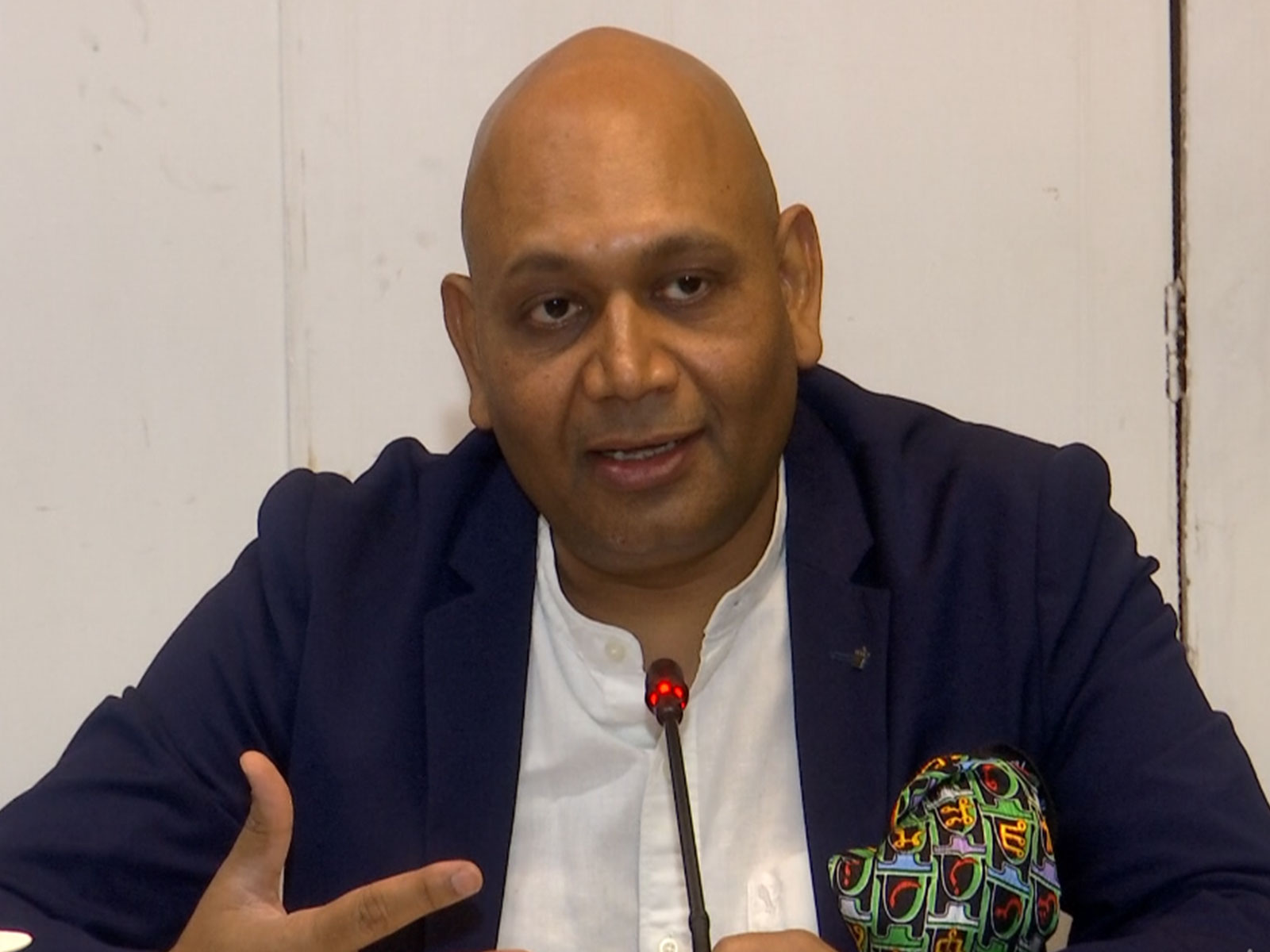
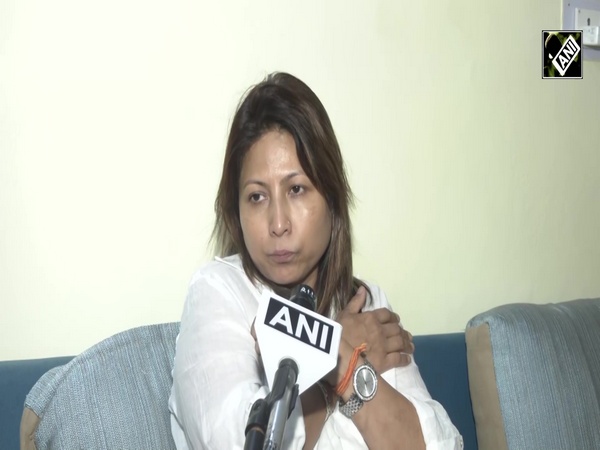
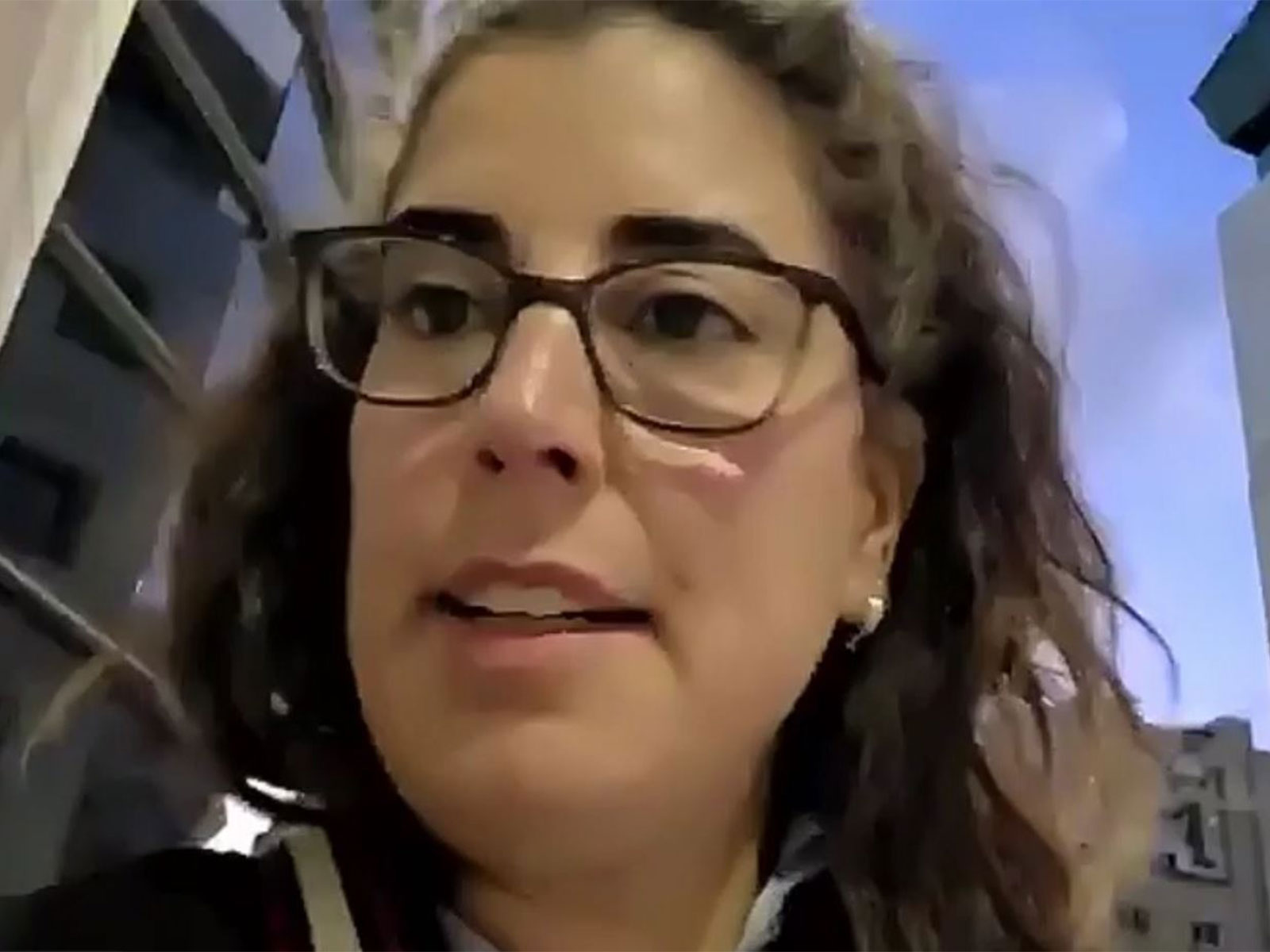
Tel Aviv [Israel], February 25 : As Prime Minister Narendra Modi prepares for his upcoming visit to Israel, Lauren Dagan Amos, a prominent researcher in foreign and security policy at Bar-Ilan University, has described the visit as a "very important" milestone that will open up new economic opportunities and dismantle existing market barriers.
Speaking to ANI in a Zoom interview, Amos, who specialises in India's foreign and security policy, highlighted the strategic timing of the visit, noting that India's engagement during difficult times carries significant weight.
"I think that also India and Israel will achieve a lot because when the Prime Minister of India came to Israel during a difficult time, it meant a lot," she said.
Discussing the economic impact of this high-level engagement, she noted that the visit would allow both nations to better navigate commercial challenges and unlock the potential of their respective markets.
"I think the Israeli market and the India market will open up, and we'll understand the opportunities and get through the obstacles that have been brought down," Amos added.
Reflecting on the expected deliverables, the researcher emphasised that the partnership has matured beyond its traditional defence pillars into a more comprehensive framework.
"I think there is going to be a signing of a lot of agreements on various issues. We are not only in a defence strategic partnership. I think the definition that Israel and India are special strategic partners is very important," she stated, adding that the relationship has reached a "high level of respect after all these years."
A key component of this evolving economic tie is the potential Free Trade Agreement (FTA), which Amos confirmed is currently under active negotiation.
"Now the Israeli delegation in India is dealing with this agreement. And I think this is the most important thing after Modi's visit to Israel. It will be a huge and great achievement for the two countries," she said.
Looking at the future trajectory of bilateral ties, Amos suggested that the focus should now shift toward major connectivity projects like the India-Middle East-Europe Economic Corridor (IMEC).
"I think that they need to focus now on IMEC and how to get involved," she remarked, adding that "Israel needs to do much more than it is doing right now. It is for the benefit of India and the benefit of Israeli interests."
The Ministry of External Affairs (MEA) announced on Tuesday that Prime Minister Narendra Modi will undertake a State visit to Israel on February 25-26. The visit, which comes at the invitation of Israeli Prime Minister Benjamin Netanyahu, marks the Prime Minister's second trip to the country, following his historic 2017 visit.
During the stay, Prime Minister Modi will meet Prime Minister Netanyahu to review the significant progress made in the India-Israel Strategic Partnership. The two leaders are expected to discuss further opportunities in diverse areas, including science and technology, innovation, defence, agriculture, and trade, while also exchanging perspectives on regional and global issues.
In addition to high-level talks with the Prime Minister, PM Modi will also call on Isaac Herzog, the President of Israel. The MEA stated that this visit will reaffirm the deep-standing partnership and present an opportunity to realign efforts towards a shared vision for a robust partnership between the two resilient democracies.
Reflecting the significance of the engagement, Prime Minister Benjamin Netanyahu on Sunday termed the upcoming visit "historic," describing Prime Minister Modi as a "dear friend." Calling the relationship a "powerful alliance between two global leaders," Netanyahu noted that both nations are partners in innovation and security, building an "axis of nations committed to stability and progress."
Netanyahu also provided details on the itinerary, confirming that the Prime Minister will arrive on Wednesday and deliver a speech at the Knesset (Israeli Parliament). The visit will also include an innovation event in Jerusalem and a joint visit to Yad Vashem, further highlighting the personal and strategic bond between the two leaders.
The Israeli Prime Minister emphasised that the fabric of the relationship will be tightened further through decisions related to economic, diplomatic, and security cooperation. Netanyahu detailed a vision to create a "hexagon" of alliances to counter radical axes and specified that the visit will promote cooperation in high-tech, AI, and quantum computing.