"They wanted to hide behind that conventional shield": Rubio defends US war against Iran at Senate hearing
Jun 02, 2026
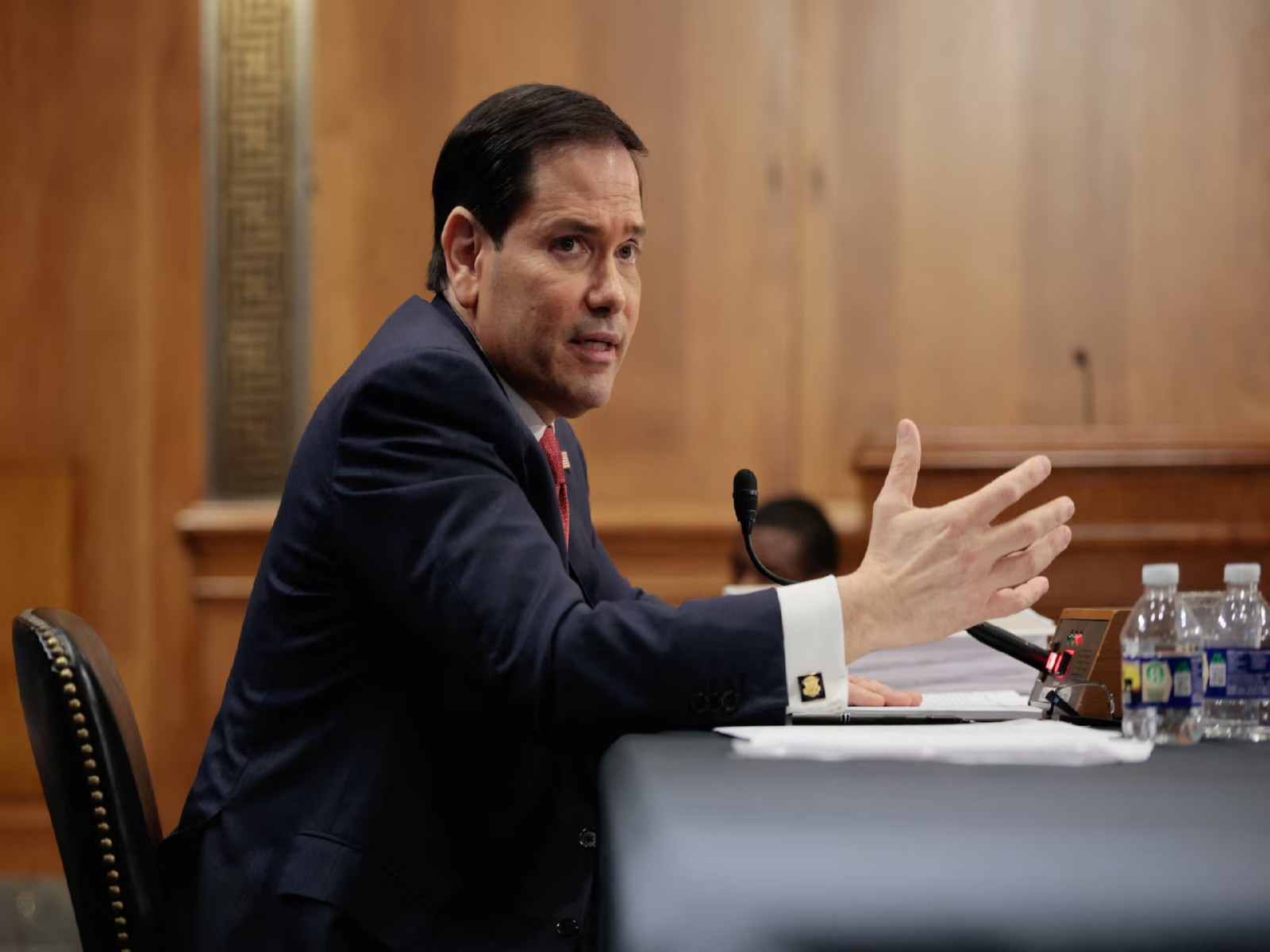
Washington, DC [US], June 3 : US Secretary of State Marco Rubio has mounted a firm defence of Washington's military approach toward Tehran, asserting that Iran had sought to develop its conventional arms infrastructure as a "shield" to safeguard its nuclear ambitions.
Testifying before the US Senate Foreign Relations Committee on Tuesday, Rubio stated that recent American military operations had drastically diminished Iran's military capabilities, effectively stripping its conventional forces of any credible deterrent power.
"What they tried to do is they were going to try to build a conventional shield and hide behind that conventional shield," Rubio told lawmakers.
The top American diplomat emphasised that Tehran's maritime forces had suffered a catastrophic blow during the hostilities. Dismissing the current state of their naval assets, he remarked, "What's left of Iran's navy is a 'bunch of Boston Whalers with machine guns on them,'" adding that the fleet had been severely degraded.
Beyond naval power, Rubio noted that targeted US actions had heavily impacted Iran's broader defence infrastructure, specifically hitting its manufacturing lines for unmanned aerial vehicles. While he admitted that cheap drone technology remains a persistent global threat, he pointed out that Tehran's production capacity had been "eroded."
"This is a pervasive problem around the world. The economics of it are something we have to solve for," Rubio stated, while maintaining that the Islamic Republic's "conventional shield" had been "substantially eroded" by the recent strikes.
These assessments are shared at a time of intense friction between Washington and Tehran, amid an active debate within the US Congress regarding the strategic boundaries and financial commitments of American military operations in West Asia.
Shifting the focus toward a potential diplomatic resolution, Rubio indicated that subsequent talks regarding Tehran's nuclear programme would be "highly technical" and would likely span several months.
He clarified that entering the next phase of diplomacy hinges entirely on Iran fulfilling crucial prerequisites, notably reopening the blockaded Strait of Hormuz under established rules and resolving the status of its stockpiled highly enriched uranium.
"Phase 2 is they have to commit to very specific negotiations. On the disposition of the highly enriched uranium that still is buried deep in a mountain somewhere... They have to agree on negotiating severe and long-term limitations and/or cancellation of enrichment activity in their country," Rubio informed the committee.
Given the intricate nature of these security and scientific parameters, the Secretary of State cautioned lawmakers against expecting a swift breakthrough.
"Obviously, these are highly technical matters, so I don't think you could work those out in five days. That would require a team of experts to meet over a 30-, 60-, 90-day period and work out the details, but they have to commit to their willingness to do that," he explained.
As an absolute baseline for these expert-level discussions, Rubio underscored that Iran must first guarantee unhindered international shipping through the Strait of Hormuz. This would require Tehran to formally declare the critical maritime chokepoint open, eliminate arbitrary shipping fees, extract naval mines, and halt all aggression against merchant vessels.
"Reopening the straits means the following: ships can sail through international waters the way they can through other chokepoints around the world without being fired upon, without paying a toll," Rubio explained to the panel of senators.
He further clarified that Washington has firmly rejected offering any premature sanctions relief simply in exchange for unblocking the waterway, emphasising that economic rollbacks remain strictly conditional.
"Any sanctions relief is condition-based, which means it has to be in return for the reason why those sanctions were put in place in the first place, which is their nuclear program," Rubio stated.
The economic fallout of the current US naval blockade on Iranian ports is already severe, with Rubio revealing that the restrictions are depriving Tehran of "hundreds of millions" of dollars in daily revenue. He added that while Iran still maintains a significant inventory of drones, their operational utility has been tightly restricted.
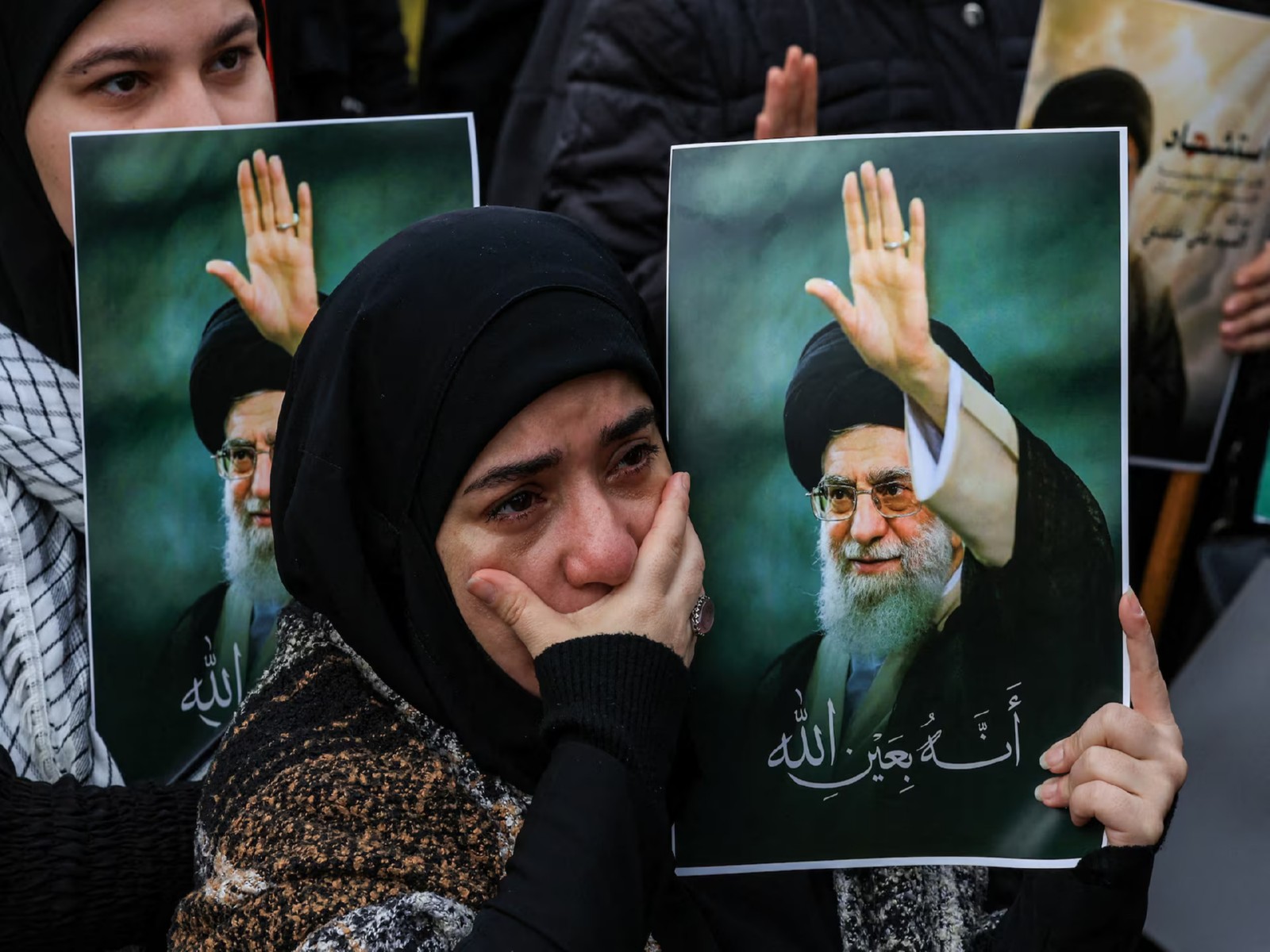
Turning to internal Iranian dynamics, the Secretary of State pointed to intelligence indicators suggesting that Supreme Leader Ayatollah Mojtaba Khamenei is increasingly taking the reins of decision-making, despite sustaining injuries earlier in the conflict.
"We haven't seen him publicly, and I would imagine, given what's happened to multiple leaders in that system, being very public is probably not something that's recommended for them internally," Rubio observed.
"But that said, I think there are indications out there that he is increasingly engaging at some level, although all of his communications have been in writing and through intermediaries."
These observations arrive amid intense international scrutiny regarding Khamenei's physical condition, given that he has vanished from public view since being seriously injured on 28 February, sparking widespread questions over the stability of Iran's leadership hierarchy.
Reaffirming Washington's geopolitical stance on East Asian security, Rubio assured lawmakers that US policy regarding Taiwan remains completely unchanged despite recent diplomatic engagements between Washington and Beijing.
"The most important thing to understand is we want to see the status quo preserved as-is at this moment. That's our policy," Rubio said. "It's a very, as you know, a very delicate relationship to balance. But our policy on Taiwan is not changing."