"We do not categorise or process data based on religion": UP CEO Navdeep Rinwa
Nov 17, 2026
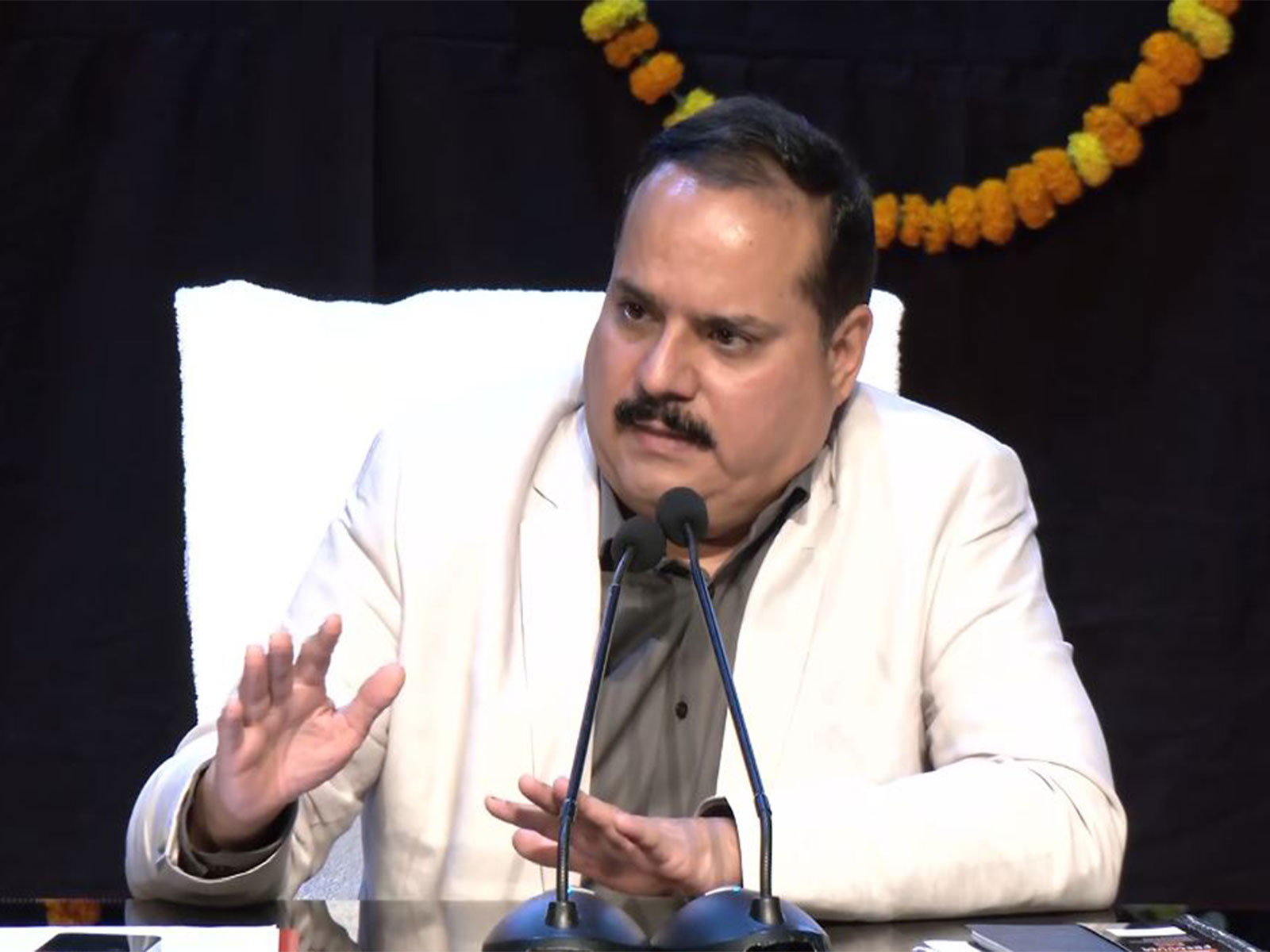
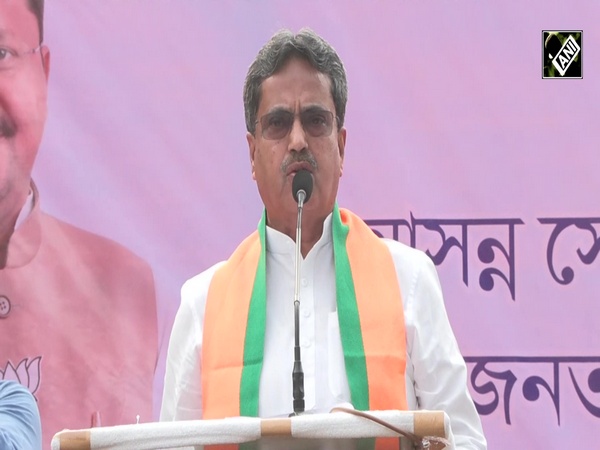
Lucknow (Uttar Pradesh) [India], November 17 : Uttar Pradesh Chief Electoral Officer Navdeep Rinwa on Tuesday clarified that the State’s electoral rolls do not categorise or process voter data on the basis of religion.
Rinwa explained that official voter records only capture basic demographic details such as a voter's name, gender, and the name of their spouse, without recording religious affiliation.
"If you examine our electoral rolls, they contain the voter's name, gender, and the name of their spouse; we do not maintain records based on religion, whether Hindu or Muslim. We do not categorise or process data based on religion," he said.
This follows Uttar Pradesh Chief Minister Yogi Adityanath's recent remark stating that 1.27 crore (12.7 million) Hindu voters had been removed from the voter lists.
He also cited figures of 66 lakh such voters, including 55 lakh Hindu beneficiaries of government welfare schemes and around 4.5 lakh voters aged 18 and 19, whose names were allegedly missing from the rolls. The Chief Minister said the state government had submitted a memorandum to the Election Commission seeking clarification over the discrepancies, while asserting that the poll body was an independent constitutional authority.
Inviting stakeholders to verify the official lists independently, Rinwa said that if anyone finds any discrepancies, they should register a complaint.
"We suggest that you download the electoral rolls from our portal and conduct a thorough review; if you identify any discrepancies, you are welcome to file a complaint," he said.
He reiterated, "We maintain records categorised by gender, not by religion."
Navdeep Rinwa defended Chief Minister Yogi Adityanath, saying that he was referring to names being 'missing' rather than having been 'removed' by the authorities.
"We do not remove anyone's name arbitrarily," he said.
Rinwa outlined the procedural safeguards currently in place to ensure accuracy and prevent duplication. he said that voters who have shifted residence from a village to a city are eligible to register in the city and cast their ballots at their new location.
"If your registered residence is in a village but you are currently living in a city, you can register to vote in the city and cast your ballot there," he said.
Rinwa noted that during the Special Summary Revision (SSR) process, authorities identified and removed a significant number of duplicate entries.
He further stated that while older processing timelines, which previously took three to four months to add a name, often led to accidental duplicate entries, upgraded digital mechanisms now prevent duplicate entries from entering the electoral roll system altogether.
"If duplicate entries exist, they are flagged in the system as soon as the Booth Level Officer (BLO) submits the relevant form, and we subsequently remove them. During the Special Summary Revision (SSR) process, we identified and removed a large number of duplicate entries," he said.
"Previously, we were unable to detect duplicate voters, but we have since implemented improvements. Now, duplicate entries cannot enter the system. In the past, the process of adding a name to the electoral roll took three to four months, which often resulted in the creation of duplicate entries," he added.
The draft electoral roll under the Special Summary Revision (SSR) 2027 was published in Uttar Pradesh on Tuesday, with claims and objections to be accepted from November 17 to December 16, Chief Electoral Officer Navdeep Rinwa said.