White House unveils massive US-China accords on trade and Iran, silences Taiwan flashpoint
May 18, 2026
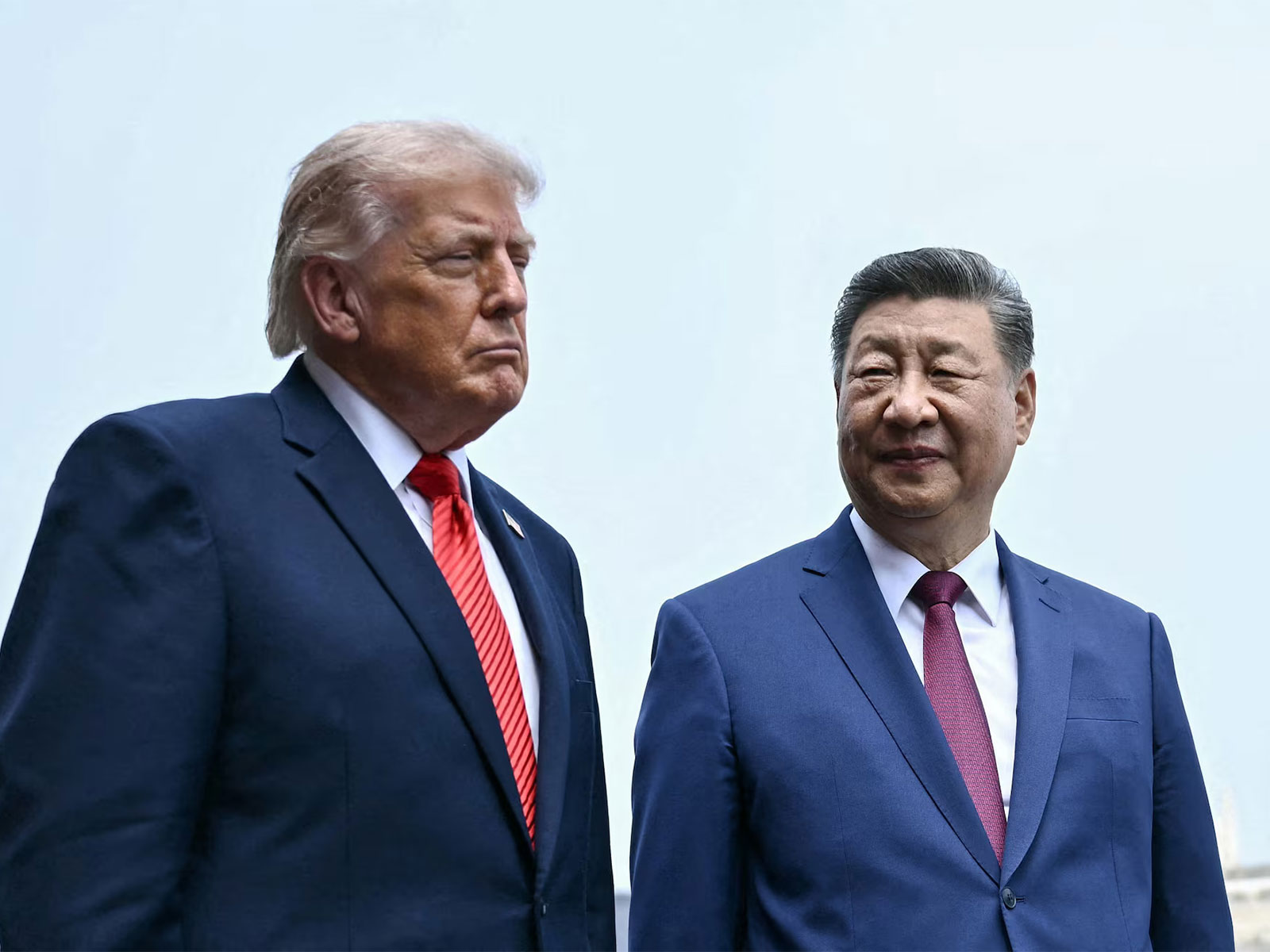
Washington, DC [US], May 18 : The White House has released an official fact sheet charting the significant outcomes of US President Donald Trump's high-stakes recent State visit to China. The detailed document highlights major breakthroughs regarding bilateral trade, cross-border investments and the security gridlock in Iran, but noticeably leaves out any reference to Taiwan, despite the self-governed island heavily dominating the extensive discussions between Trump and Chinese President Xi Jinping.
According to the newly released fact sheet, the two global economic powerhouses have agreed to create fresh institutional platforms, specifically the "US-China Board of Trade" and "US-China Board of Investment," to systematically govern and streamline bilateral economic and investment issues.
On international security, the factsheet detailed that Trump and Xi found common ground on the ongoing Middle East tensions, concurring that Iran "cannot have a nuclear weapon". To protect international shipping lanes, both heads of state called for the reopening of the Strait of Hormuz and firmly agreed that "no country or organisation can be allowed to charge tolls".
Further boosting diplomatic engagement, the White House announced that Trump is slated to host Xi in Washington later this year, with both administrations promising mutual backing for each other's roles as hosts for upcoming G20 and APEC summits.
The fact sheet also revealed that Beijing has pledged to directly tackle Washington's deep-seated anxieties regarding supply chain vulnerabilities and severe shortages of rare earth minerals and critical materials, explicitly naming yttrium, scandium, neodymium, and indium.
In a massive financial boost for the American aviation industry, the document revealed that China has cleared an initial acquisition of 200 Boeing aircraft for domestic Chinese airlines. The executive brief explicitly characterised the transaction as the first major commitment for American-made Boeing planes since 2017.
Furthermore, the state framework locks in a commitment from Beijing to procure a minimum of USD 17 billion worth of American agricultural goods on an annual basis across 2026, 2027, and 2028, operating over and above the existing foundational soybean commitments hammered out in 2025.
Trade restrictions were eased as well, with China restoring full market entry for upwards of 400 American beef facilities and lifting bans on poultry shipments from US states that have successfully cleared bird flu safety protocols.
However, while the text of the fact sheet heavily pushed the narrative of "strategic stability" and deep economic cooperation, the absolute omission of Taiwan stood out. The island had emerged behind closed doors as a primary flashpoint of Trump's itinerary in Beijing, with Xi explicitly cautioning the US President that missteps over Taiwan possessed the volatile potential to push Washington and Beijing directly towards conflict.
While Trump carefully avoided bringing up Taiwan in his public remarks while in Beijing, his tone changed post-departure. After leaving China, Trump openly conceded to reporters that he and the Chinese President "talked a lot about Taiwan", indicating that he was actively reviewing a previously greenlit American defence package bound for Taipei following heavy resistance from Xi.
Trump subsequently triggered profound unease within Taipei by characterising the potential multi-billion-dollar weapons transfer as a mere "negotiating chip" in subsequent post-summit media interviews.
The White House fact sheet ultimately stated that both sides have pledged to cultivate a "constructive relationship of strategic stability" anchored in the core values of "fairness and reciprocity".
Chinese bureaucrats have hailed this framework as a groundbreaking blueprint to navigate ties between the world's two largest economies over the next three years, prioritising deep cooperation while systematically managing underlying points of contention.
The high-level summit also featured exhaustive deliberations surrounding the conflict in Iran and broader international energy security. Trump asserted that Xi was fully aligned on the absolute necessity of keeping the Strait of Hormuz accessible and ensuring Iran does not acquire nuclear capabilities, even though Chinese diplomats have publicly taken a more measured tone, arguing that the legitimate concerns of all stakeholders must be factored into any permanent resolution of the crisis.