Yemen's southern separatists announce two-year independence plan amid Saudi-backed clashes
Jan 03, 2026
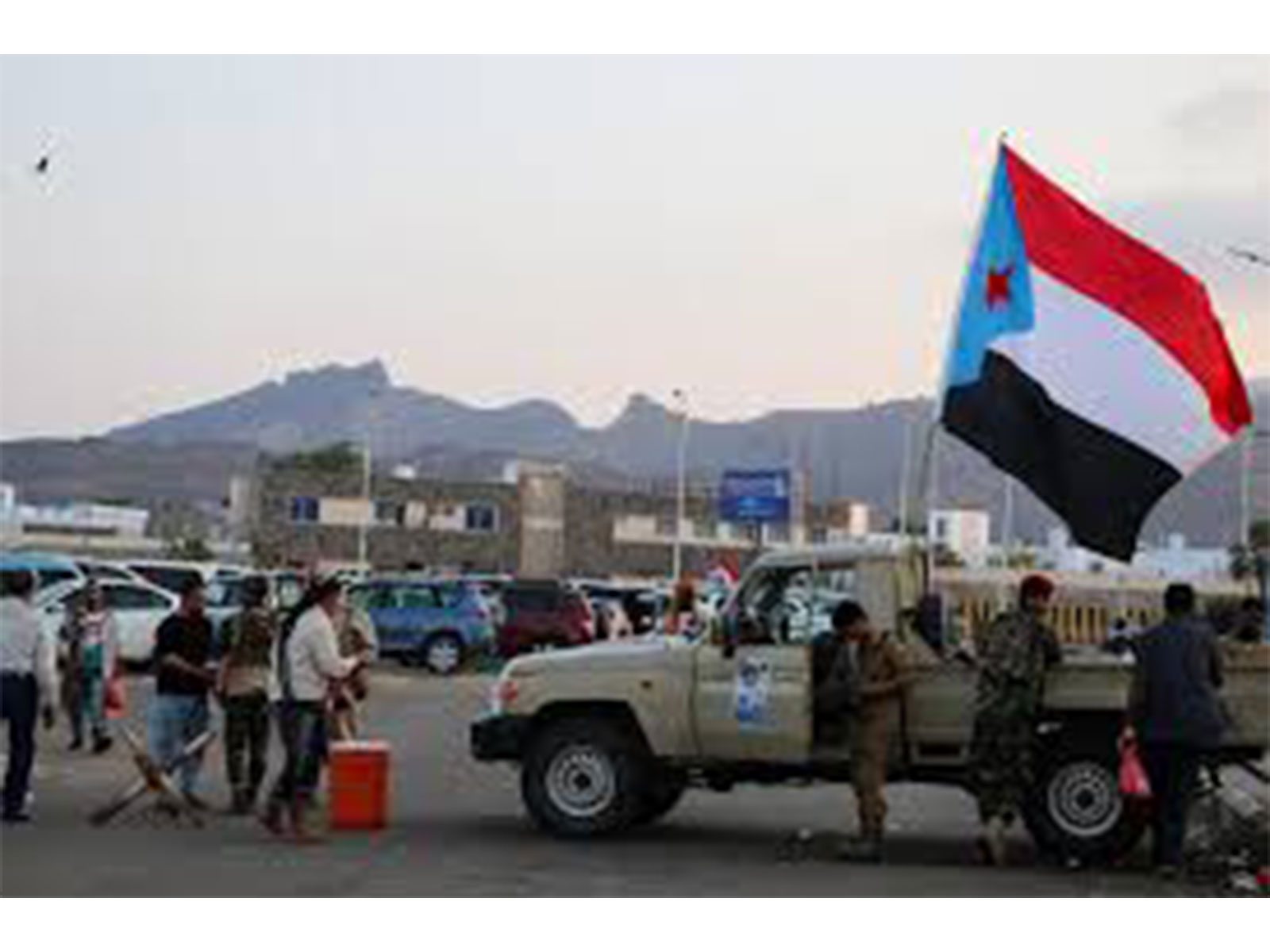
Aden [Yemen], January 3 : Yemen's southern separatist movement has announced plans to hold a referendum on independence from the north after a two-year transitional period, even as Saudi-backed forces moved to regain territory seized by the separatists last month, Al Jazeera reported.
Clashes broke out on Friday in Hadramout province, which borders Saudi Arabia, between forces loyal to the Saudi-backed governor and fighters of the Southern Transitional Council (STC). The STC accused Saudi Arabia of carrying out air strikes on its positions near the border.
Seven people were killed and more than 20 were wounded after seven air strikes hit a camp in al-Khashaa, according to Mohammed Abdulmalik, head of the STC in Wadi Hadramout and the Hadramout Desert, Al Jazeera reported.
Hadramout Governor Salem al-Khanbashi said efforts to take back military bases from the STC were aimed at restoring order without escalation. The move was intended to "peacefully and systematically" reclaim sites in the southern province.
"The operation is not a declaration of war or an escalation, but rather a precautionary measure to protect security and prevent chaos," he said in a statement.
Saudi Arabia later called on all parties to join a forum to "formulate a comprehensive vision for fair solutions to the southern cause," as tensions continued to rise, according to Al Jazeera.
The fighting followed a decision by Yemen's Saudi-backed government to appoint al-Khanbashi as overall commander of the National Shield forces in Hadramout, granting him full military, security and administrative authority in what it described as an effort to restore stability in the eastern province.
Hours after the clashes began, the STC announced the start of a two-year transitional phase towards declaring an independent southern state.
"We announce the commencement of a transitional phase lasting two years, and the Council calls on the international community to sponsor dialogue between the concerned parties in the South and the North," STC President Aidaros Alzubidi said in a televised address.
He warned that the group would declare independence "immediately" if dialogue failed or if southern Yemen again came under attack.
"This constitutional declaration shall be considered immediately and directly effective before that date if the call is not heeded or if the people of the south, their land or their forces are subjected to any military attacks," Alzubidi said.
The announcement is unlikely to be accepted by Yemen's internationally recognised government or the Houthi movement, which controls large parts of northern Yemen and the capital, Sanaa. The move has been described as a red line as it threatens the country's unity, Al Jazeera reported.
Riyadh and the internationally recognised Yemeni government have accused the United Arab Emirates of backing and arming the STC, enabling it to seize parts of Hadramout and al-Mahra provinces last month.
Saudi Arabia has warned that the STC's expanding presence in these areas poses a threat to its national security. The UAE has rejected the allegations, saying it remains committed to Saudi Arabia's security.
The UAE confirmed on Friday that its last soldiers had left Yemen, a week after announcing the withdrawal of its remaining forces.
"The UAE concluded the presence of its counterterrorism forces," a government official said, adding that it "remains committed to dialogue, de-escalation and internationally supported processes as the only sustainable path to peace."
Saudi Arabia, the UAE and the STC are all part of a coalition formed by Riyadh to confront the Houthis, but growing separatist actions by the STC and allegations of Emirati support have fuelled tensions within the alliance.
Presidential Leadership Council head Rashad al-Alimi warned against opposing government decisions, saying the withdrawal of Emirati forces was part of correcting the coalition's course.
"The decision to end the Emirati military presence came within the framework of correcting the course of the [coalition] and in coordination with its joint leadership, and in a way that ensures the cessation of any support for elements outside the state," he said.
The STC has insisted its fighters will remain in southern provinces that Saudi Arabia and the Yemeni government want them to leave.
Saudi Arabia's ambassador to Yemen later blamed STC leader Aidarus al-Zubaidi for refusing landing permission for a plane carrying a Saudi delegation to Aden.
"For several weeks and until yesterday, the Kingdom sought to make all efforts with the Southern Transitional Council to end the escalation ... but it faced continuous rejection and stubbornness from Aidarus Al-Zubaidi," Ambassador Mohammed Al-Jaber said on X.
Flights at Aden International Airport remained suspended as both sides traded blame.
The STC-controlled Transport Ministry accused Saudi Arabia of imposing an air blockade, while Saudi sources denied the claim.
A Yemeni presidential adviser said the government had imposed inspection requirements on one flight route from Aden to prevent alleged money smuggling by the STC, Al Jazeera reported.