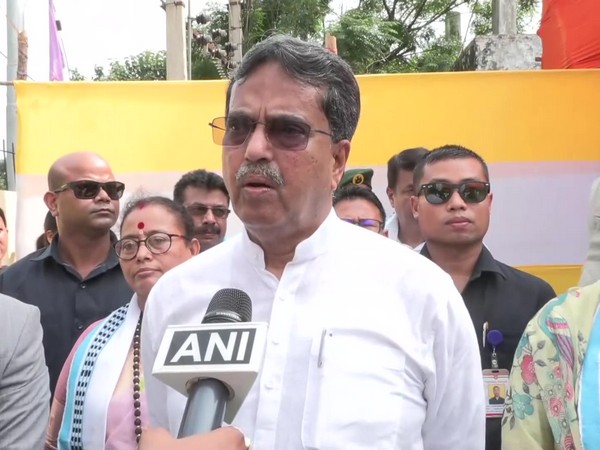
Bangladesh's ruling BNP hails BJP's historic West Bengal win; optimistic over Teesta water distribution
May 05, 2026
Dhaka [Bangladesh], May 5 : In a move signalling a potential shift in regional dynamics, the Bangladesh Nationalist Party (BNP) on Tuesday formally extended its congratulations to the Bharatiya Janata Party (BJP) following its electoral victory in West Bengal.
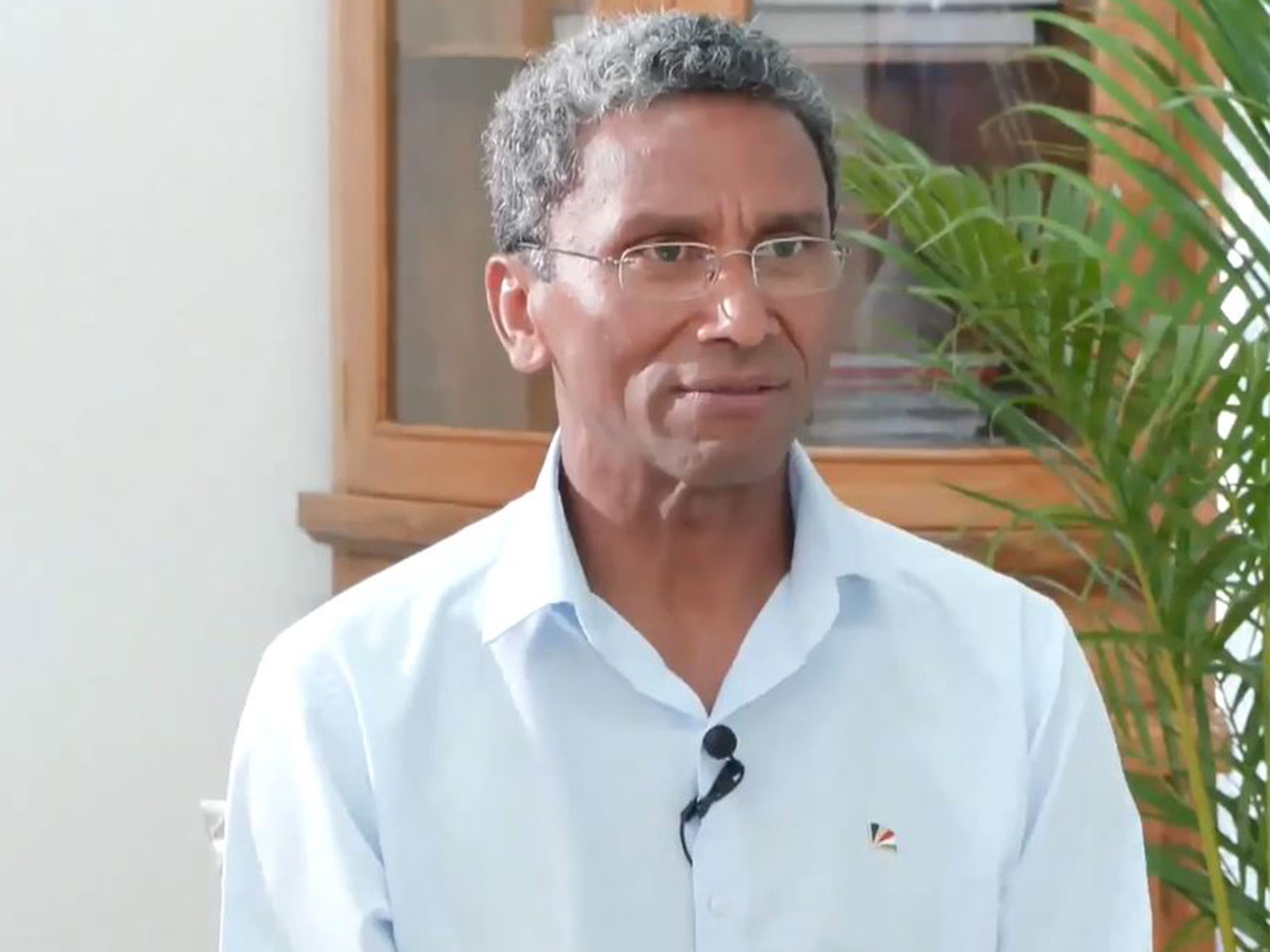
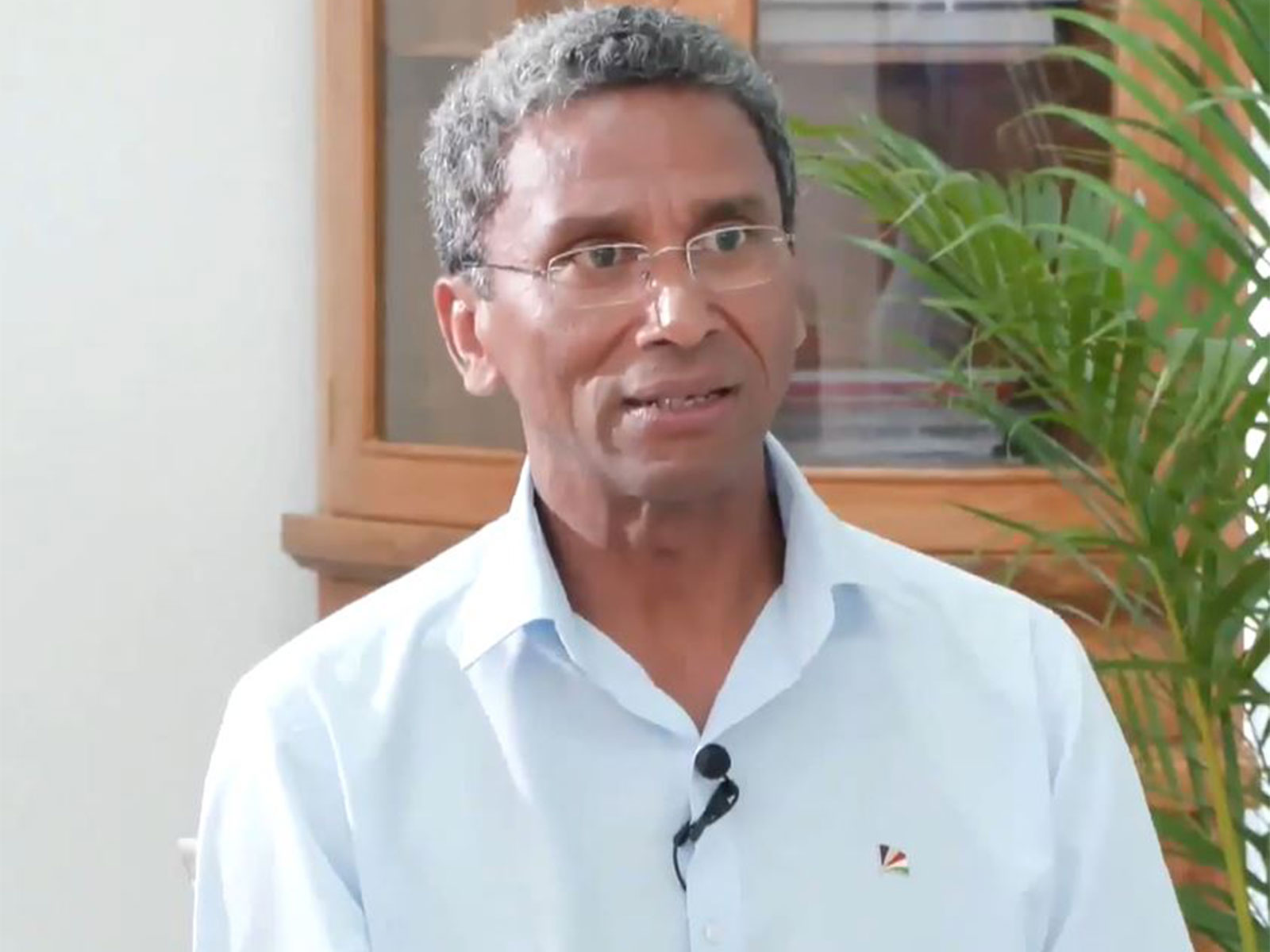
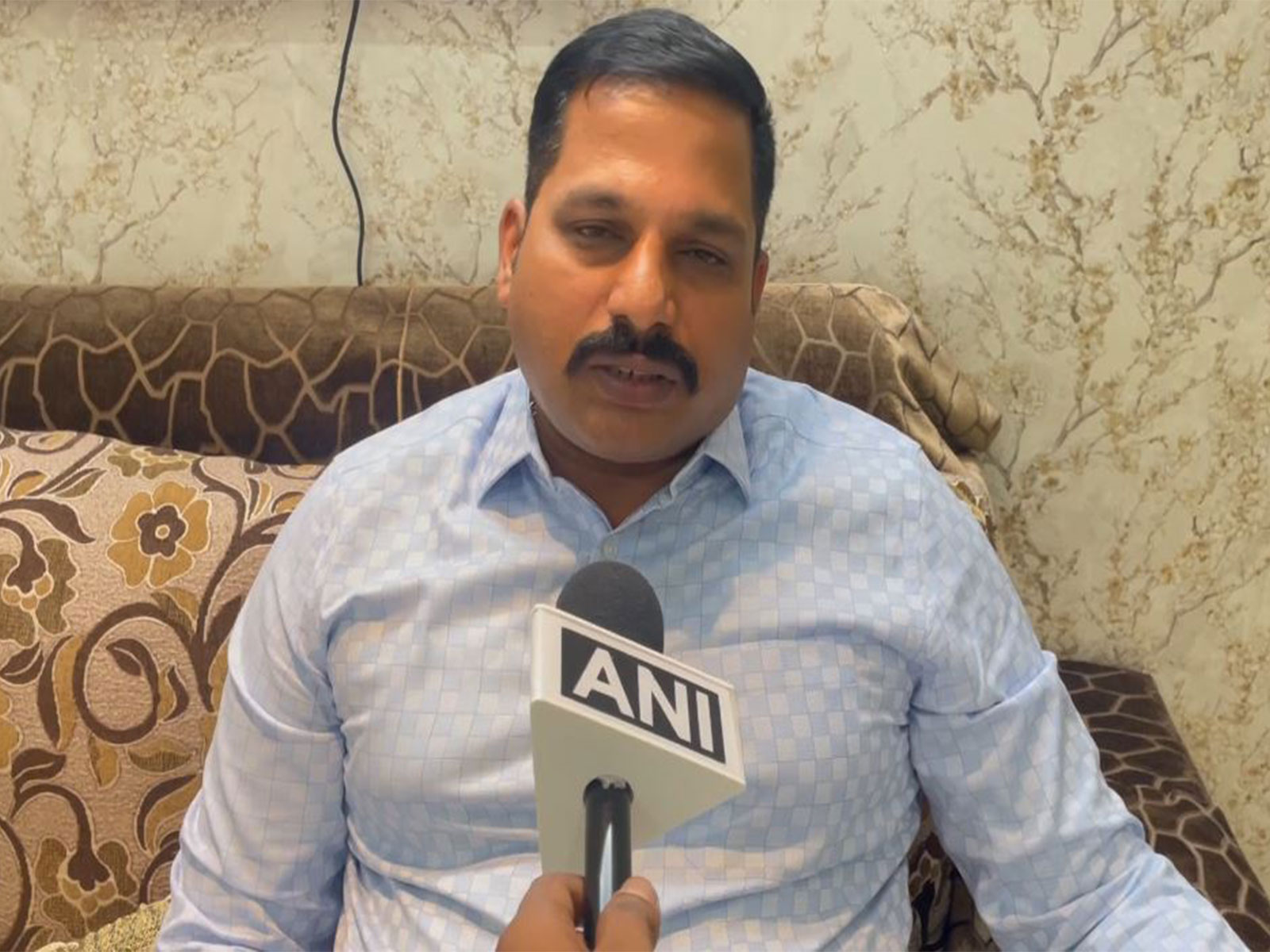
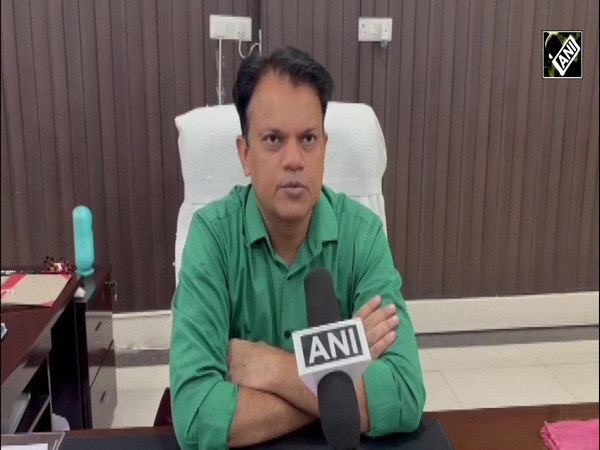
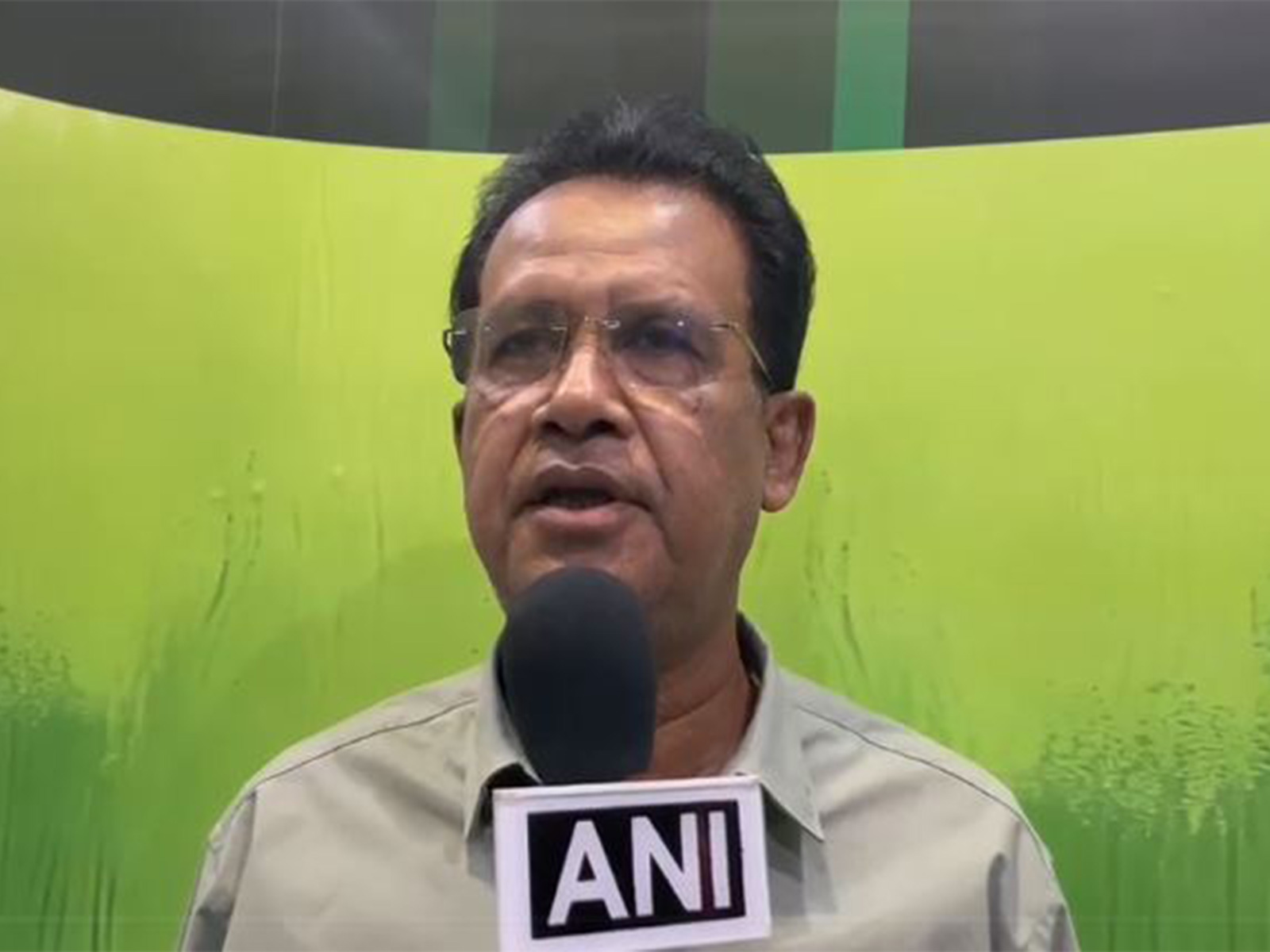
Speaking to ANI, Azizul Baree Helal, Information Secretary of the BNP, praised the BJP's performance under the leadership of Suvendu Adhikari.
"I congratulate the winner, Suvendu Adhikari's BJP party. I think this victory of the BJP, under the leadership of Suvendu Adhikari, will ensure the relationship between West Bengal and the Bangladesh government remains the same as before, in a good manner. The relationship will be built up. I congratulate the BJP's win", said Azizul Baree Helal.
The endorsement highlighted a rare moment of diplomatic optimism regarding long-standing transboundary disputes between Dhaka and Kolkata. Helal emphasised that the power shift could stabilise and enhance the bilateral rapport between Bangladesh and West Bengal.
The most significant takeaway from the BNP's statement involves the Teesta Water Sharing Treaty, a project that has been stalled for over a decade. Helal pointed directly to the outgoing Trinamool Congress (TMC) leadership as the primary obstacle to progress.
The BNP claimed Mamata Banerjee's previous administration was the "impediment" to the Teesta Barrage agreement. The party believes that with Suvendu Adhikari at the helm in West Bengal, the state government will now align with the Modi administration's existing desire to finalise the treaty.
"Actually, previously we saw that Mamata Banerjee was actually the impediment to establishing the Teesta Barrage. Now, in my opinion, since the BJP won the election under Suvendu's leadership, the Teesta Barrage agreement--which was very much desired by the Bangladesh government and the Modi government--will be helped by Suvendu. I think the Teesta Barrage project will be implemented under the BJP government now that they have seized power instead of the Trinamool Congress," said Azizul Baree Helal.
The Ganga Water Treaty (1996) governs water sharing between India and Bangladesh during the dry season at Farakka Barrage. During lean months, Bangladesh accuses India of releasing insufficient water, impacting agriculture and livelihoods downstream. Rising concerns over climate change have intensified disputes over reduced water availability.
Bangladesh demands an equitable share of Teesta waters, but the agreement remains pending due to opposition from West Bengal, citing its own water needs. In 2011, an attempt was made to resolve the dispute when Prime Minister Manmohan Singh visited Bangladesh. Proposed agreement aimed at allocating 37.5% of Teesta's waters to Bangladesh and 42.5% to India. However, the West Bengal govt opposed it, arguing that it would harm its agricultural interests.
An ad-hoc agreement on the sharing of Teesta waters was reached in 1983, with Bangladesh allocated 36% and India 39% of the water flow, leaving 25% to be decided later. However, this agreement was never fully implemented.
In 2015, Prime Minister Narendra Modi's visit to Dhaka generated some expectations to take forward to resolve the previous issues on a fair and equitable water sharing agreement.
India and Bangladesh share 54 common rivers, but only two treaties have been signed: the Ganga Waters Treaty and the Kushiyara River Treaty. Other major rivers, such as the Teesta and Feni, are still under negotiation.
Despite the clear ideological divide between the centre-right BNP and the BJP, Helal noted that national interests often supersede party doctrine.
"We have a good relationship. Ideologically, we are different, but on some issues, we are very much united--like the Teesta Barrage and the general relationship between Bangladesh and India. On an issue basis, we are united, even if ideologically separated. I think with the new government in West Bengal, our relationship will be accelerated more and more," said Azizul Baree Helal.