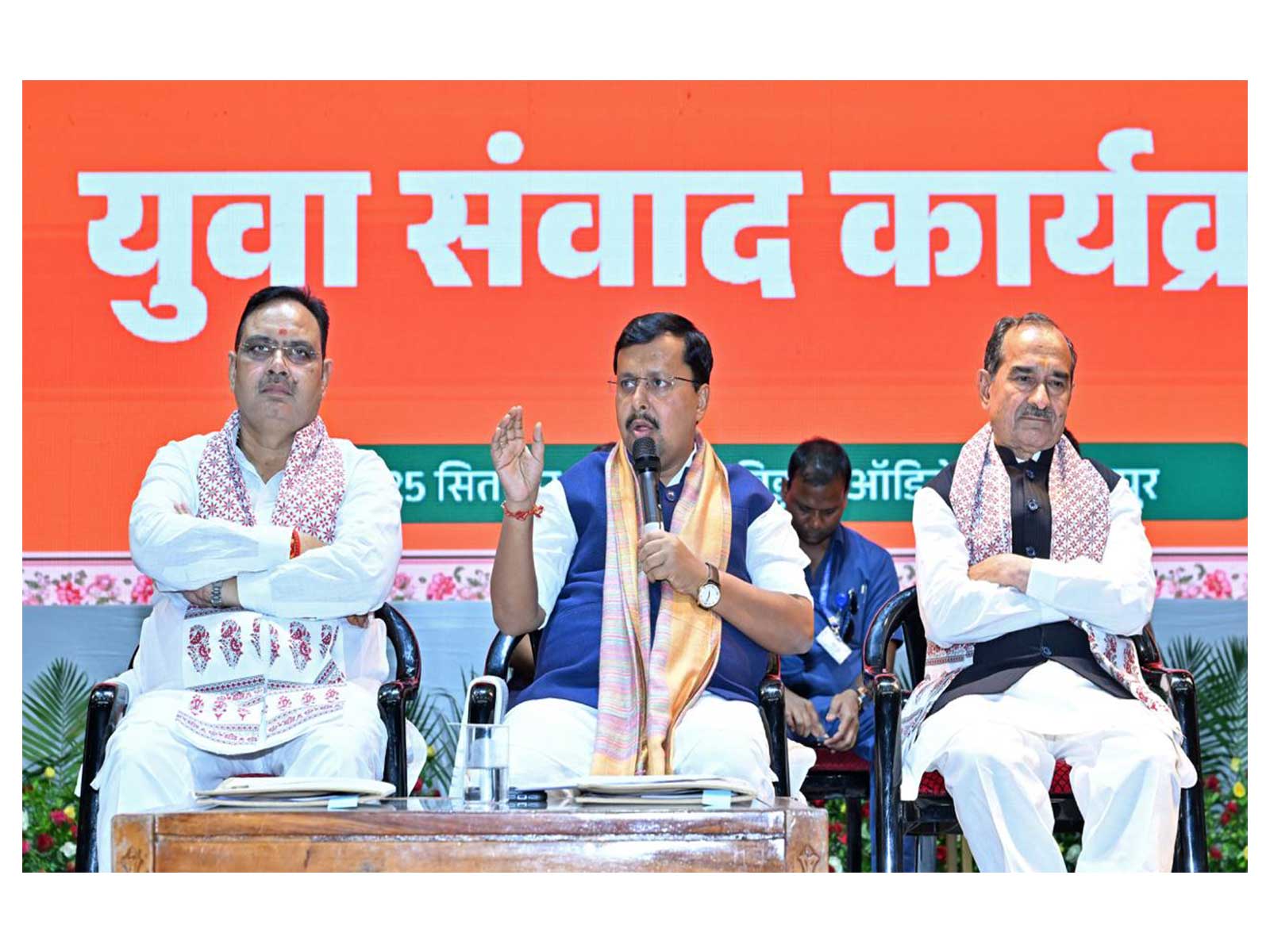
BJP leader Vijay Goel welcomes SC decision refusing to modify order on removal of stray dogs
May 19, 2026
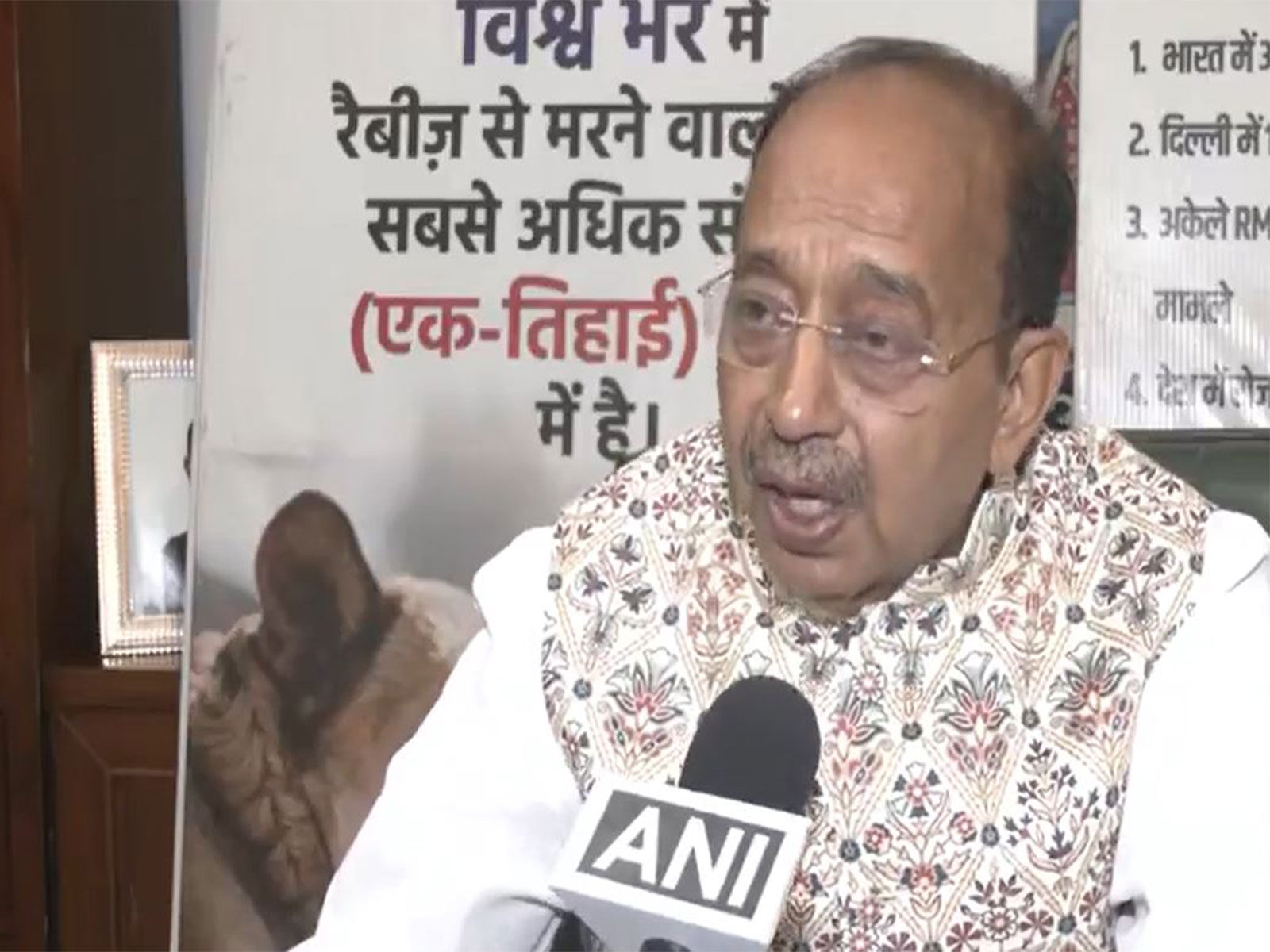
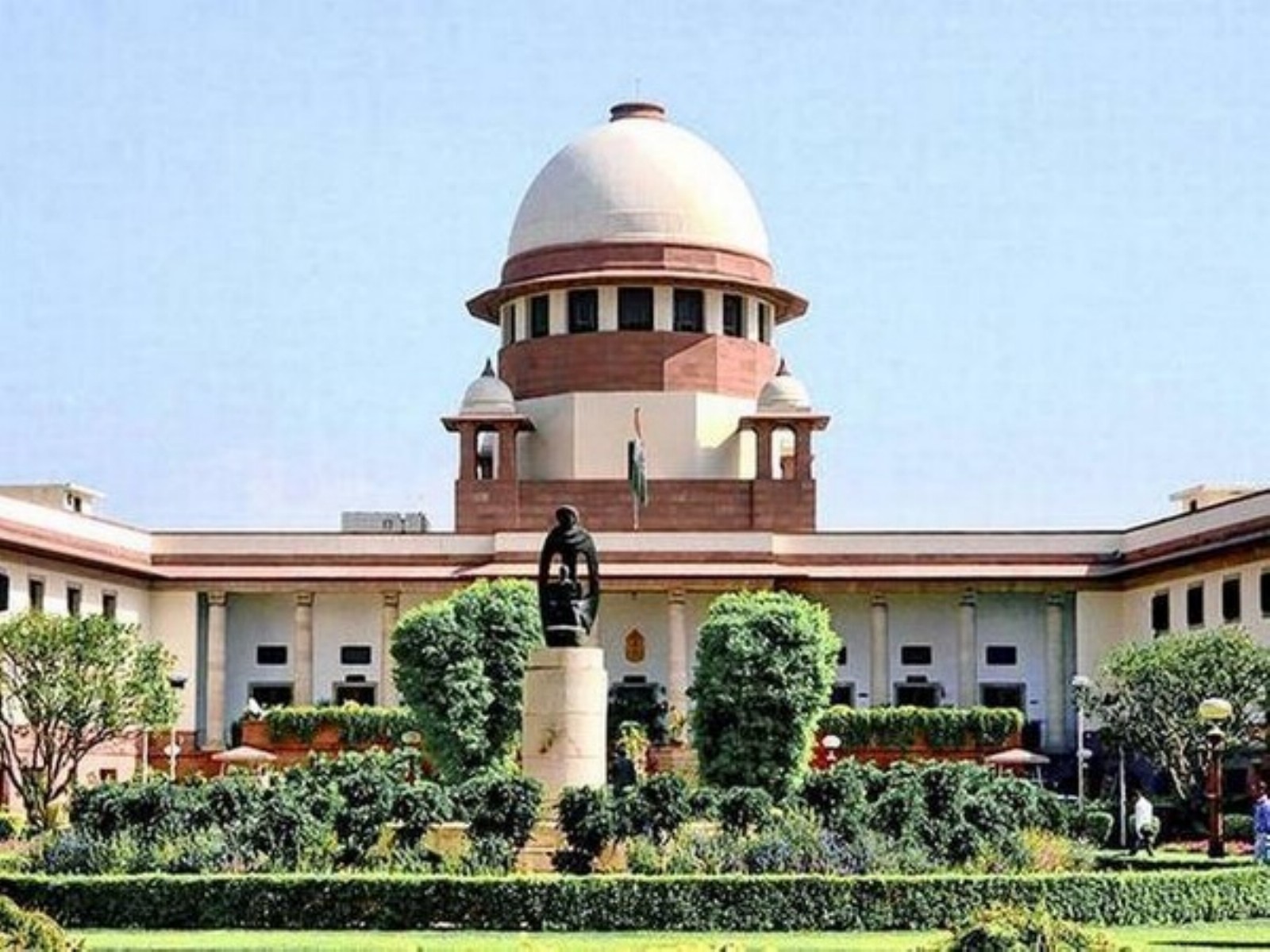
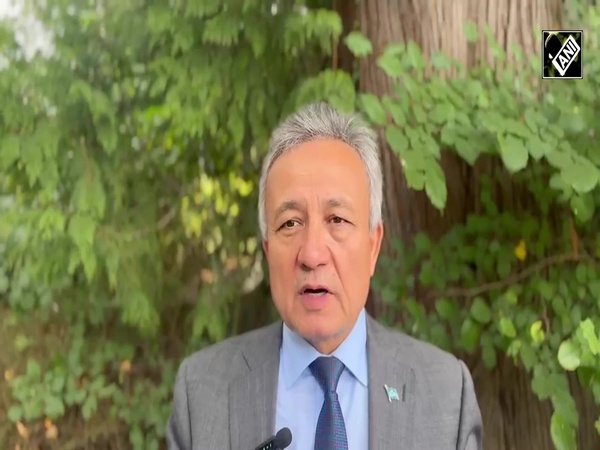
New Delhi [India], May 19 : Former minister and BJP leader Vijay Goel on Tuesday welcomed the Supreme Court's refusal to modify its November 2025 order directing the removal of stray dogs from public institutions such as hospitals, schools, colleges, bus stations and railway stations.
A bench of Justices Vikram Nath, Sandeep Mehta and NV Anjaria observed that the right to life with dignity includes the right to live freely without the fear of harm from dog bite incidents and said the state "cannot remain a passive spectator."
Goel appealed to the Residents' Welfare Associations (RWAs) to support the Supreme Court's order and monitor compliance.
Goel told ANI, "We have been carrying out movements for the issue of stray dogs for three years, and I can say with today's order that the court will end this issue, and I respect the order. Euthanasia or confinement of aggressive and rabid dogs has been allowed, and the procedures will be closely monitored. The High Court will see if the directions are fulfilled. The third ruling is that the NGOs, animal lovers and others create a hindrance, they will be subjected to FIR and subsequent action."
"Feeding dogs on the streets is also prohibited, with designated feeding areas established. I appeal to the Residents' Welfare Associations (RWAs) to support the Supreme Court's orders, monitor compliance in their areas, and report any violations," he added.
Advocate Vivek Sharma said that the apex court invoked Article 21, guaranteeing the Right to Life, and ensured people's right to move freely in public places.
The advocate said, "This is a commendable step and an excellent ruling by the judiciary. The judgment is divided into three parts. The first part pertains to the modifications and applications submitted in relation to the previous judgment on this subject. The second part addresses the SOPs, the Standard Operating Procedures, relevant to the issue. The third part, I would argue, is of particular importance, as it specifically deals with compliance requirements for the States and Union Territories (UTs). Article 21 of the Constitution states that every individual, whether a child, an adult, or an elderly person, possesses the fundamental 'Right to Life.' This right is deemed paramount to ensure that citizens can move freely within society, be it at airports, schools, colleges, on public roads, or in public spaces, without any fear."
"Consequently, the judgment mandates that State Governments and UTs must ensure compliance not only with the present order but also with the Court's previous orders on this subject. Furthermore, another significant aspect of today's judgment concerns the officers and employees of municipal authorities; it provides them with a measure of protection. Specifically, if they perform their duties--such as taking measures to curb incidents of dog bites, implementing the ABC (Animal Birth Control) program, or executing other relevant measures--no criminal proceedings, FIRs, or criminal cases of any kind shall be initiated against them, provided they act within the scope of standard operating procedure," Advocate Sharma added.
However, animal activist Ankita Mahajan called the apex court's decision a "disappointing order." She flagged the lack of proper shelters and facilities for the safety of stray dogs.
Mahajan said, "This is a disappointing order. It will lead to increased cruelty towards dogs, including poisoning and killing. There is a lack of proper shelter homes and veterinary care, where will they keep the dogs? We never had any instances of bites and attacks despite working with them for a year; on the contrary, they protect societies from thieves. We, animal activists, demand that the government first establish proper shelter homes with necessary facilities and involve us in the process to ensure the safety and well-being of the dogs. We know all the dogs will be killed or relocated, due to which incidents of dog bites will increase."
Advocate Punita Jha also said, "We have the ABC guidelines of 2023 in place, which include a 'pick-and-drop' provision. You cannot simply pick up dogs and put them in a shelter permanently. They have rights. There are Articles 19, 21, and Article 51-A(g), which mandate compassion for animals, specifically instructing us to protect every living creature. No one is going to build shelters for dogs. The costs involved are exorbitant, and even if shelters were constructed, the dogs housed within them would likely not be provided with food. If any improvement were going to happen, it would have happened long ago. We wouldn't have to bear the cost of sterilisation out of our own pockets."
Earlier today, the Supreme Court refused to modify its November 2025 order. The three-judge bench observed, "The court cannot remain oblivious to harsh ground realities where children, international travellers, and old-age people have fallen victim to dog bite incidents. The Constitution doesn't envisage a society where children and elderly people are to survive on the mercy and physical strength."
The apex court directed that all states shall take necessary steps to strengthen and implement the Animal Welfare Board of India (AWBI) framework rules. It also directed states to ensure the establishment of at least one fully functional Animal Birth Control (ABC) centre in every district.
In addition, the Supreme Court directed the National Highways Authority of India (NHAI) to address the issue of stray cattle on national highways in a time-bound manner and establish a monitoring and coordination framework.
To monitor compliance, the Supreme Court directed all High Courts to register suo motu cases in continuing mandamus proceedings.