J-K: Heavy rainfall lashes Bhalesa; residents advised to avoid landslide-prone areas
Jul 02, 2026
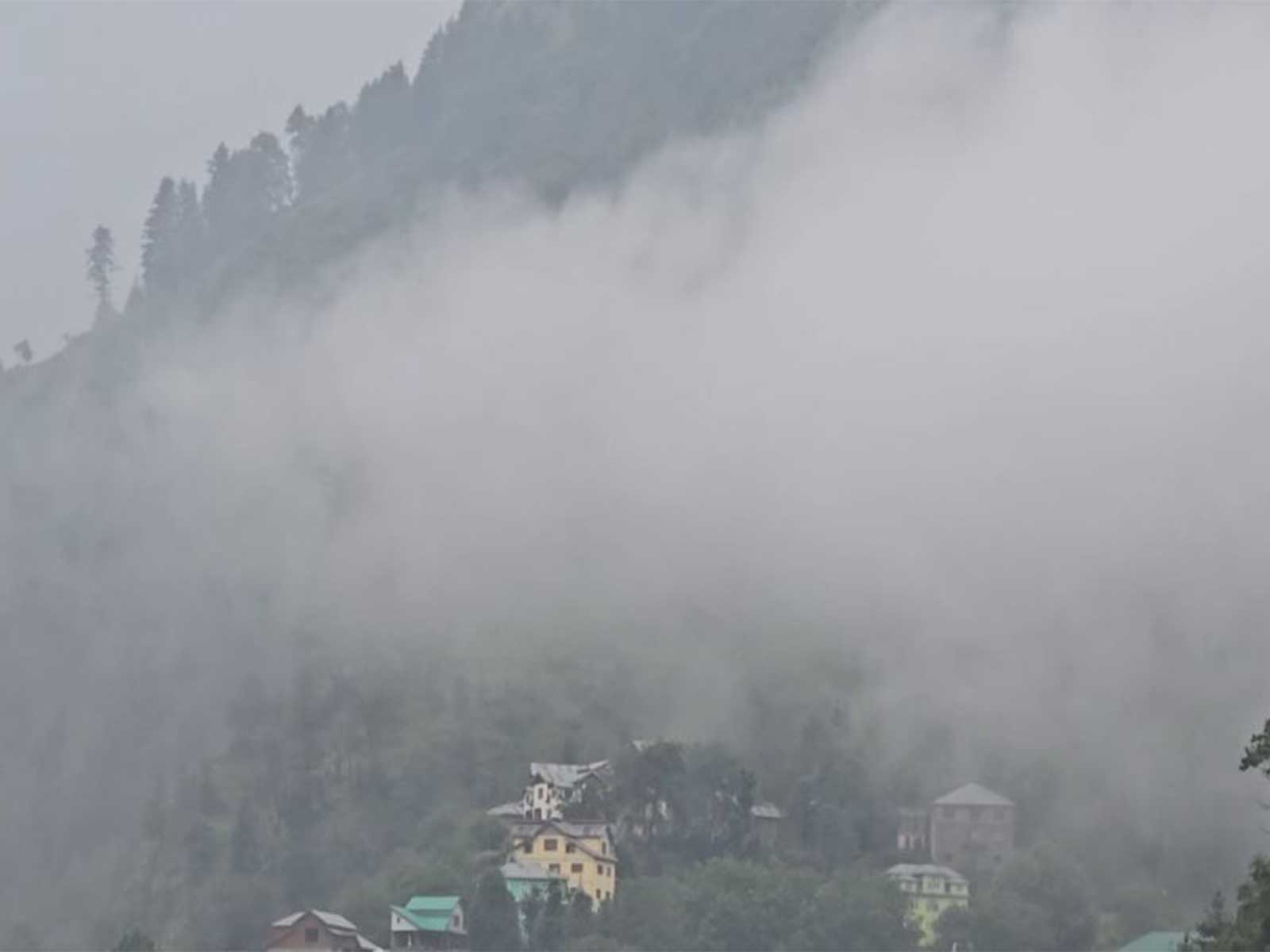
Bhalesa (Jammu and Kashmir) [India], July 2 : Heavy rain continued to lash Bhalesa in Jammu and Kashmir's Doda district, causing waterlogging and increasing the risk of landslides, flash floods, and road blockages.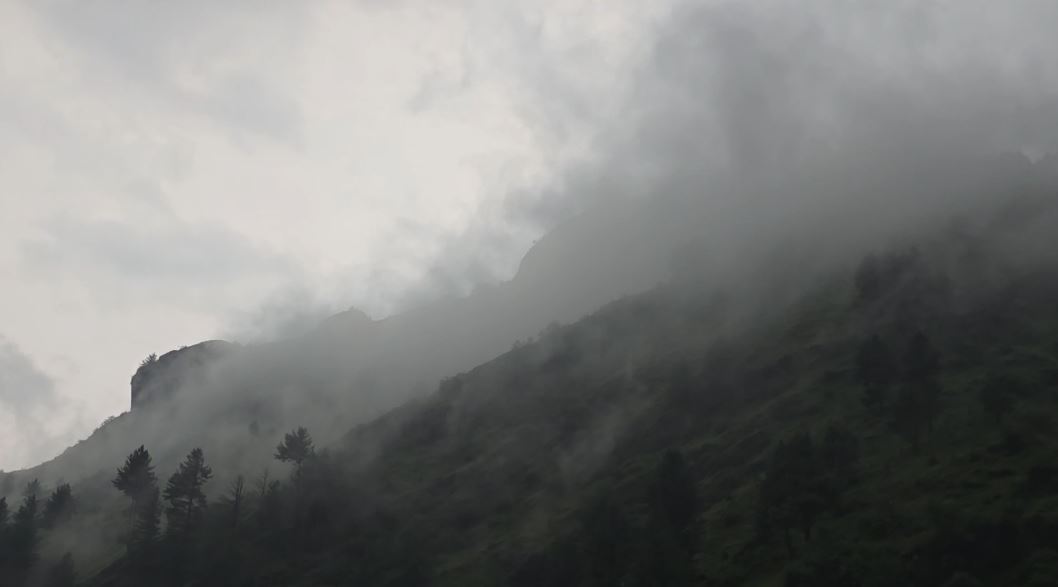
In view of the prevailing weather conditions, Sub-Divisional Magistrate Gandoh, Arun Kumar Badyal, advised residents to avoid landslide-prone areas for the next two days and exercise caution, warning of the risk of landslides, flash floods, and road blockages.
He also urged people to remain alert and avoid unnecessary travel.
Authorities have urged people to remain vigilant as heavy rainfall continues in the region.
Meanwhile, on Tuesday, the India Meteorological Department (IMD) said that the monthly average rainfall over the country as a whole during July 2026 is most likely to be below normal.
According to an IMD press release, the long-period average (LPA) of rainfall over the country as a whole during July, based on data from 1971-2020, may be about 280.4 mm. Regionally, below-normal rainfall is likely across most parts of the country except some areas of Northwest and Northeast India, Eastcentral India and the eastern peninsular region, where normal to above-normal rainfall is likely.
Currently, weak El Nino-Southern Oscillation (ENSO) conditions are prevailing over the equatorial Pacific Ocean and neutral Indian Ocean Dipole (IOD) conditions are being observed over the Indian Ocean. The model forecast indicates that neutral IOD conditions are likely to persist during the Southwest Monsoon season.
IMD had issued the first stage forecast for the 2026 southwest monsoon seasonal (June to September) rainfall over the country on April 13 and updated the forecast on May 29.
India recorded its fifth-lowest June rainfall since 1901, while the southwest monsoon is set to advance into Delhi and parts of Haryana, Punjab, Rajasthan and the entire Jammu and Kashmir in the next two to three days, India Meteorological Department (IMD) said on Tuesday.
The country received 99.5 mm of rainfall against the normal 165.3 mm, a 39.8 per cent deficit, recording the fifth lowest June rainfall since 1901. Of the country's 36 meteorological subdivisions, 24 (65 per cent) recorded deficient rainfall, and three (10 per cent) witnessed large deficient rainfall during June.