"President has issued decree to reopen international internet access": Iran's government spokesperson
May 26, 2026
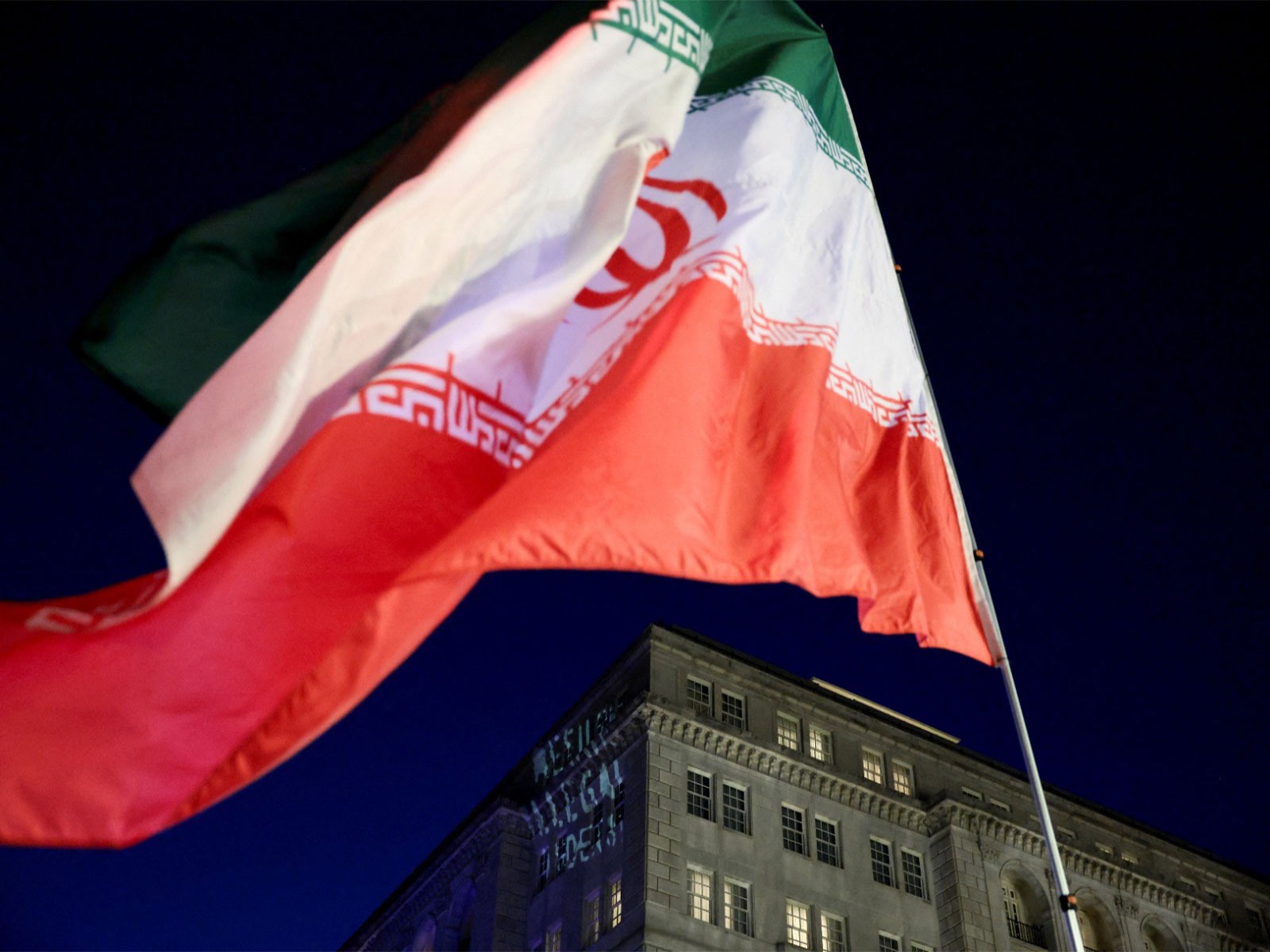
Tehran [Iran], May 26 : The Iranian government announced plans to restore international internet access in the "coming days", following a decision by a special cyberspace task force formed to review restrictions imposed on connectivity.
According to Iran's ISNA news agency report on Tuesday, the government spokesperson, Fatemeh Mohajerani, said during a weekly press conference that President Masoud Pezeshkian had already issued the order to reopen internet access.
"The President has issued the decree to reopen international internet access. We hope to be able to restore this rightful right of the people to them within the coming days," Mohajerani said.
Speaking at the Sacred Defense Museum garden during the press briefing, she said the government had moved to address concerns surrounding internet restrictions.
"Given the restrictions on the internet and the commitment of Dr. Pezzekian and the government to preventing injustice and discrimination, the Cyberspace Organization Speciality Task Force was formed," she stated.
Mohajerani added that the task force concluded its deliberations a day earlier and recommended reopening internet access. "This headquarters concluded yesterday that the internet should be reopened, and yesterday the President notified the Ministry of Communications."
Iranian authorities had imposed a near-total internet blackout across the country for more than 87 days, according to internet monitoring group NetBlocks.
The restrictions reportedly hampered civilians' access to information during the bombing campaign by Israel and the United States, while also severely affecting businesses dependent on internet connectivity.
The restrictions were first implemented on January 8 in response to nationwide anti-regime protests, with access gradually returning to normal in February, before a new blackout following the start of US-Israeli strikes against Iran on February 28.
Meanwhile, as the security situation continues to evolve in West Asia and the Gulf region, Iran's Supreme Leader, Mojtaba Khamenei, warned on Tuesday that the area would no longer serve as a shield to American military bases.
He made the statement while delivering remarks as the Hajj pilgrimage commences.
Mojtaba Khamenei said on X, "The hand of time does not turn back, and the nations and lands of the region will no longer serve as shields for American bases. America will no longer have a safe haven for mischief and the establishment of military bases in the region."
Al Jazeera had noted in an earlier report citing the Council on Foreign Relations that the US operates a broad network of military sites, both permanent and temporary, across at least 19 locations in the region. These include countries such as Bahrain, Kuwait, Iraq, the UAE and Qatar.
As the US and Iran continue to negotiate and arrive at a peace deal, US Secretary of State Marco Rubio on Tuesday sharply criticised the situation in the Strait of Hormuz, calling for unrestricted maritime passage.
Rubio said that the Strait of Hormuz should be "open without tolls" and "no country in the world is accepting of a tolling system except Iran."
He said, "The strait needs to be open without tolls. What is happening there is unlawful, illegal, unsustainable and unacceptable. No country in the world is accepting of a tolling system except Iran."
Speaking on the prospects of a diplomatic agreement with Iran, he said, "The President (Donald Trump) had a historic call with a number of leaders from the region, and I think there is a strong alignment and agreement on what a preliminary draft should look like. It will take a couple of days to settle on...Either there is going to be a good deal, or there isn't going to be one".