UNHRC commissioner warns China's ethnic unity law threatens minority identities
Jun 22, 2026
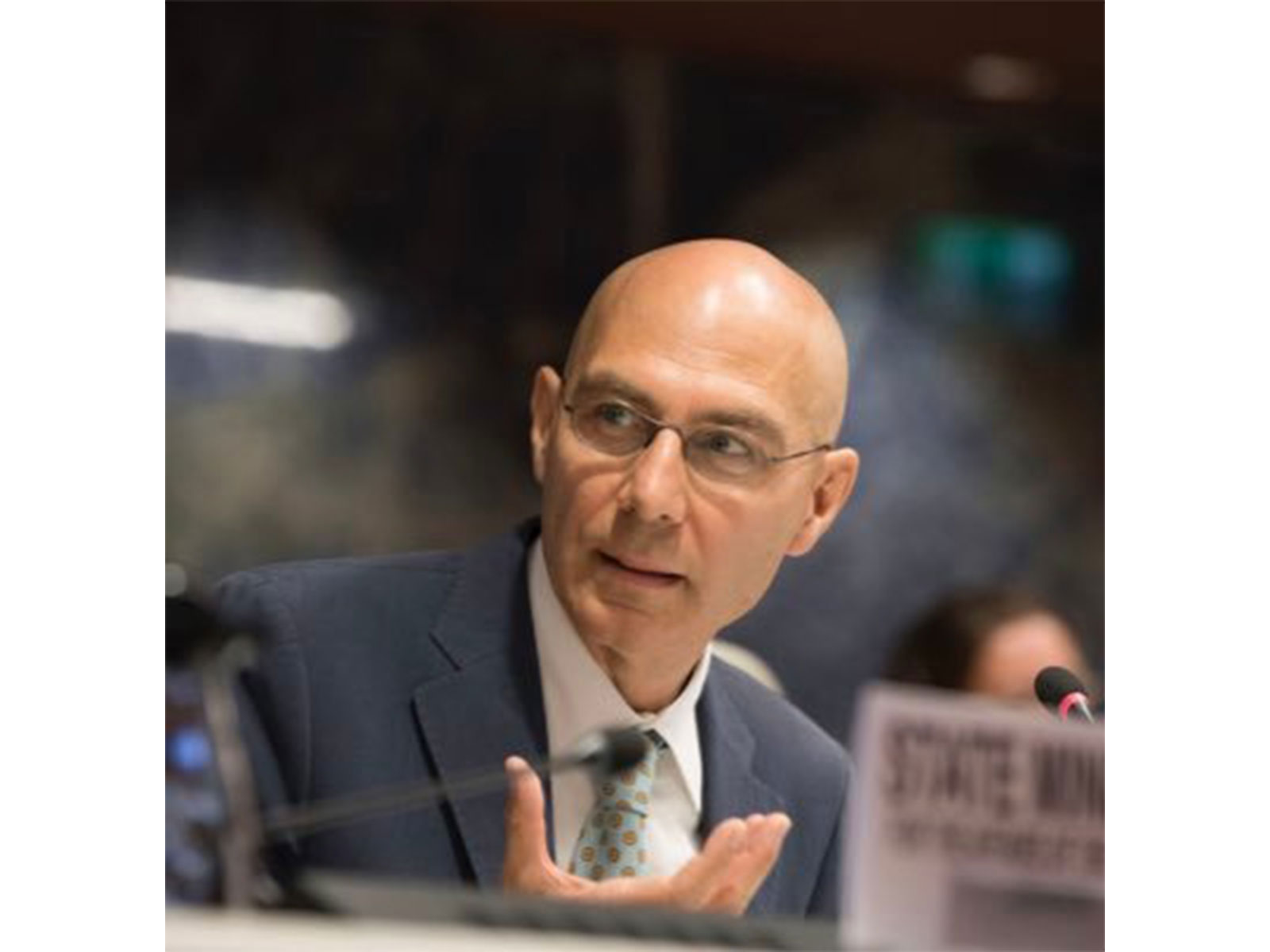
Geneva [Switzerland] June 22 United Nations High Commissioner for Human Rights Volker Turk has raised serious concerns over China's treatment of ethnic minorities, warning that a newly adopted law could further erode the cultural, linguistic and religious rights of communities in Tibet, Xinjiang and Inner Mongolia, as reported by the Central Tibetan Administration (CTA).
According to CTA, addressing the 62nd session of the United Nations Human Rights Council in Geneva, Turk described the current global situation as a period of deep human rights challenges marked by growing violations of international law and increasing attacks on fundamental freedoms.
He cautioned that the international community is witnessing an unprecedented assault on international legal norms, resulting in widespread suffering across different regions.
Turk specifically highlighted China's counterterrorism and assimilation policies, expressing concern that the newly enacted Law on Promoting Ethnic Unity and Progress could intensify restrictions on minority populations.
The legislation, passed by China's National People's Congress in March 2026 and set to take effect on July 1, has drawn criticism from rights groups and international experts.
Turk warned that the law may further limit freedoms related to language, education, religion, cultural expression, free speech and peaceful assembly. He noted that its broad provisions could be used to punish the peaceful exercise of minority rights and urged Beijing to repeal the legislation and abandon policies that undermine ethnic identities.
Concerns over the law have also been echoed by UN experts and human rights organisations, which argue that the measure institutionalises assimilation policies targeting Tibetans, Uyghurs and Mongolians. Critics contend that the legislation strengthens Mandarin-language dominance while reducing space for minority languages and traditions, as highlighted by CTA.
Responding to the High Commissioner's remarks, Thinlay Chukki, representative of the Dalai Lama at the Geneva Office of Tibet, welcomed the intervention and described it as an important acknowledgement of long-standing concerns, as reported by the CTA.