"We gain nothing from this deal, only losses": J-K CM Omar Abdullah on India-US Interim Trade Agreement
Feb 10, 2026
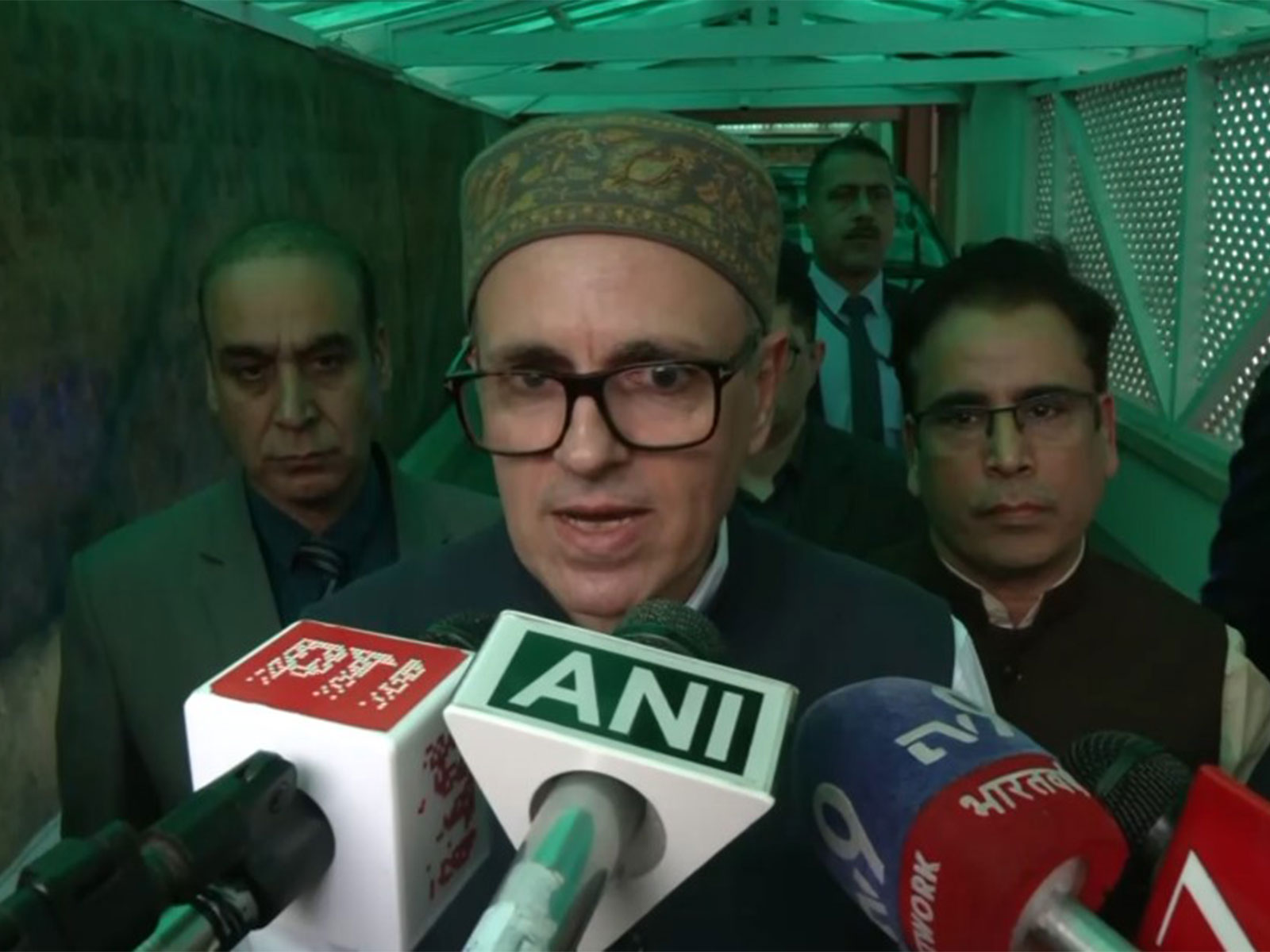
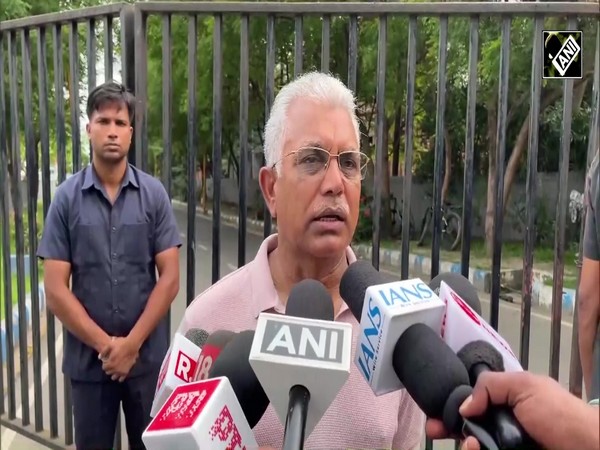
Jammu (Jammu and Kashmir) [India], February 10 : Chief Minister Omar Abdullah has said that Jammu and Kashmir will not benefit from the India-US Interim Trade Agreement and it will harm the interest of farmers.
Talking to reporters, Omar Abdullah said if nuts, dry fruits, fresh fruits, and dairy are imported duty-free, there will be losses.
"This will definitely cause harm. If nuts, dry fruits, fresh fruits, and dairy are imported duty-free, there will be losses. What else do we have? We don't have any marine or seafood products, but we do offer dried fruits, walnuts, almonds, saffron, apples, and kiwis. If these come duty-free from America, losses are inevitable... We gain nothing from this deal; it's nothing but losses," he said.
The United States and India last week announced that they have reached a framework for an Interim Agreement regarding reciprocal and mutually beneficial trade.
The framework reaffirmed the two countries' commitment to the broader US-India Bilateral Trade Agreement (BTA) negotiations, launched by President Donald J Trump and Prime Minister Narendra Modi on February 13, 2025, which will include additional market access commitments and support more resilient supply chains.
A Joint Statement said that the Interim Agreement between the United States and India will represent a historic milestone in our countries' partnership, demonstrating a common commitment to reciprocal and balanced trade based on mutual interests and concrete outcomes.
According to key terms of the Interim Agreement, India will eliminate or reduce tariffs on all US industrial goods and a wide range of US food and agricultural products, including dried distillers' grains (DDGs), red sorghum for animal feed, tree nuts, fresh and processed fruit, soybean oil, wine and spirits, and additional products.
It said the United States will apply a reciprocal tariff rate of 18 percent under Executive Order 14257 of April 2, 2025, as amended, on originating goods of India, including textile and apparel, leather and footwear, plastic and rubber, organic chemicals, home decor, artisanal products, and certain machinery.
On successful conclusion of the Interim Agreement, US will remove the reciprocal tariff on a wide range of goods identified in the Potential Tariff Adjustments for Aligned Partners Annex to Executive Order 14346 of September 5, 2025, as amended, including generic pharmaceuticals, gems and diamonds, and aircraft parts.
Union Commerce and Industry Minister Piyush Goyal has stated that the Centre has not "opened up" the market for US apples under the interim trade pact, but instead has given them a "quota" that is less than current apple imports, while protecting domestic apple growers.
"We are not surplus in apples. The demand for apples is more than 25-26 lakh tons. We produce about 20-21 lakh tons. As we speak, we import 5.5 lakh tons of apples every year. And a large quantity of that comes from the United States of America. We have not opened up apples. We have given them a quota on apples, which we will procure from there. That is less than the Current imports of apples from the USA," Goyal said in an interview with ANI.
The Union Minister argued that apple farmers in India will receive protection from import regulations that prevent cheap apples from flooding the market.
"We have been very cautious in our opening up. Today, Apple has a minimum import price of Rs 50. And there's a 50 per cent duty which adds Rs 25. So, Rs 75 is the base, or the floor, below which goods don't enter the country. So in some sense, that's the protection that the apple farmers also get, that nobody can dump material and make it so cheap that apples don't get a fair value. Even in the quota we have given to the US, the minimum import price is Rs 80. They make high-quality apples. It's Rs 80. There's a Rs 20 duty on that. So the landed price of that will be 100 rupees," Goyal said.